
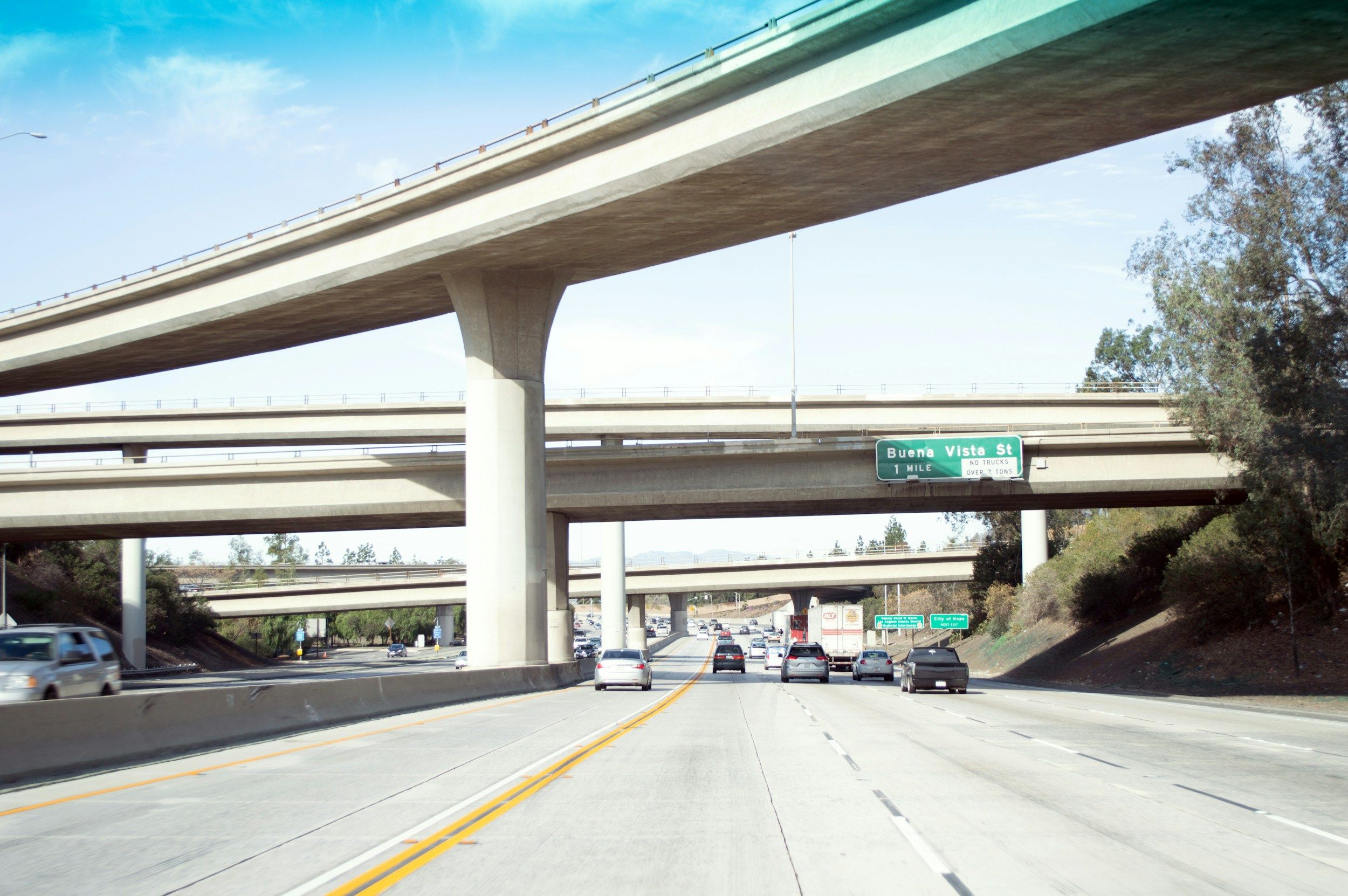
The Garden Grove Freeway and the claims it brings
Route 22 runs east to west through the middle of Garden Grove. Freeway traffic, plus busy surface streets like Harbor, Brookhurst and Garden Grove Boulevard, means collisions that range from minor to severe. The severe ones often end the same way: a phone call from the adjuster saying the car is a total loss.
That call comes with an offer, and the offer comes from a valuation report. Many people never ask to see it. A total loss appraisal in Garden Grove starts there, because nearly every problem with a low offer can be traced to a specific line in that report.
What the insurer must base the offer on
California has no fixed percentage that turns a damaged car into a total loss. The insurer compares the estimated repair cost, and often the salvage value, with what it believes the car was worth. Once it decides the car is totaled, the state’s Fair Claims Settlement Practices Regulations, at 10 CCR 2695.8, set the standard for the settlement: the value of a comparable vehicle in your local market, plus applicable taxes and license and transfer fees.
“Comparable” is where the money is. A comparable should be the same make, model and year, with a similar trim, options, mileage and condition, offered for sale or sold in your area. Every difference requires an adjustment, and every adjustment can be checked.
Reading the valuation report line by line
Ask the adjuster for the complete valuation report, not just the bottom line. Then check these points, or send it to us and we check them for you:
The vehicle description. Trim level, engine, drivetrain and factory packages. A missing package can quietly lower the base value.
Mileage. It should match your odometer at the time of loss, not an old service record.
Condition. Look at the rating for each area of the car and the dollar deduction attached. A rating given without an inspection deserves questions.
The comparables. Where is each one, how far from Garden Grove, and how closely does it match? Note any dealer listings that were already sold or are a different trim.
Adjustments. Each comparable should be adjusted for mileage and equipment differences. Check that the math runs in the right direction.
Taxes and fees. The settlement should include sales tax and the license and transfer fees on a replacement car. The statewide base sales tax rate set by CDTFA is 7.25%, and local district taxes are added on top.
Prior damage deductions. If the report deducts for earlier damage, ask to see the evidence.
Where our appraisal fits
Our total loss valuation rebuilds the value from scratch. We inspect the car in person, wherever it is in Garden Grove, and document its condition with photos. We find our own comparables in the central Orange County market, adjust them openly, and explain each step in a signed report. If the actual cash value in the insurer’s report is too low, the report shows where and by how much.
You can send our report to the adjuster with a short letter asking for a revised offer. If your policy has an appraisal clause and the two sides still disagree, each side names an appraiser, and an umpire decides any difference between them. ProValue can serve as your appraiser in that process. Our claim resolution and arbitration page explains how it works. We provide the valuation and the evidence behind it. In an appraisal clause case, Henry reads the insurer’s report and negotiates the value with the insurer’s appraiser.
If you decide to keep the car
Some owners keep a totaled car, especially an older one they plan to repair themselves. Know the trade-off first. The insurer deducts the salvage value from the payout. The DMV issues a salvage certificate. To drive the car again, it has to go through the DMV’s revived salvage registration, which includes an inspection, and the title will carry that history for good. That history lowers resale value, so a kept car is worth less than a clean-title car of the same condition.
If you surrender the car instead, the Vehicle Code requires the endorsed title to go to the insurer within 10 days of settlement, after which the insurer handles the salvage paperwork.
Not sure an appraisal is worth it? Ask Henry.
Storage fees and timing
A totaled car usually sits at a tow yard or the insurer’s salvage yard while the claim is open, and storage can cost money every day. Ask the adjuster early who is paying for storage and when the car will be moved. If you want an independent inspection, book it quickly, before the car is moved to auction or stripped of parts. Clear out your belongings, the garage door opener and any toll transponder at the same visit. A clear timeline also helps with the rental car, which many policies cover only for a limited number of days after a total loss offer.
Small claims and deadlines in Orange County
A total loss dispute with your own insurer usually runs through the policy, not small claims. When the at-fault driver’s insurer is paying, small claims court is open to you without a lawyer, for up to $12,500 for an individual, according to the California courts’ self-help guide. Our Orange County page links the county court’s small claims pages. The general time limit to sue for damage to property is three years under Code of Civil Procedure section 338(c)(1). A claim against a city, county or other public agency usually must be presented to that agency within six months (Government Code section 911.2).
Book a Garden Grove inspection
Garden Grove is about 31 miles from our Glendale office in a straight line. Call (424) 444-3737 or get started online. The consultation is free, and fees are agreed before any work begins.