
Classic car appraisal in California for collectors, buyers and owners
A classic car appraisal from ProValue Appraisal records what valuation software cannot see: matching numbers, a documented restoration and the car’s history. Owners use it to insure a collector car at agreed value, to sell or finance it, to settle an estate or to dispute an insurer’s number. Most reports take 2 to 4 business days.
Certified auto appraiser. Free consultation, no upfront cost.
- Used for
- Insurance, sales, estates
- Inspection
- In person or online
- Report turnaround
- Most in 2 to 4 business days
- Free consultation
- No upfront cost
- Used for
- Agreed value insurance, sales, loans, estates and claims.
- Cost to start
- Free consultation, no upfront cost. Pricing is discussed when you call.
- How long
- Most reports in 2 to 4 business days.
- Where
- In person in 13 Southern and Central California counties. Online anywhere else in the state.
Why a classic car needs its own appraisal
Insurers, lenders and pricing guides value everyday cars by comparing them with large numbers of similar listings. That works when hundreds of near-identical cars change hands every month. It stops working for a classic. A restored muscle car may have only a few true comparables in a year, and two cars of the same year, make and model can be worth very different amounts depending on originality, condition, documentation and history.
A classic car appraisal replaces a generic book figure with a documented opinion of value for one specific car. It is the record you hand to an insurer when you set coverage, to a buyer when you set a price, to a bank when you borrow against the car, and to the other side of a dispute when the number matters. ProValue Appraisal, an independent, family-owned appraiser in Glendale, works with individual owners and collectors on classics of every kind, from muscle cars to European sports cars and vintage trucks.
Muscle cars, sports cars and collector favorites
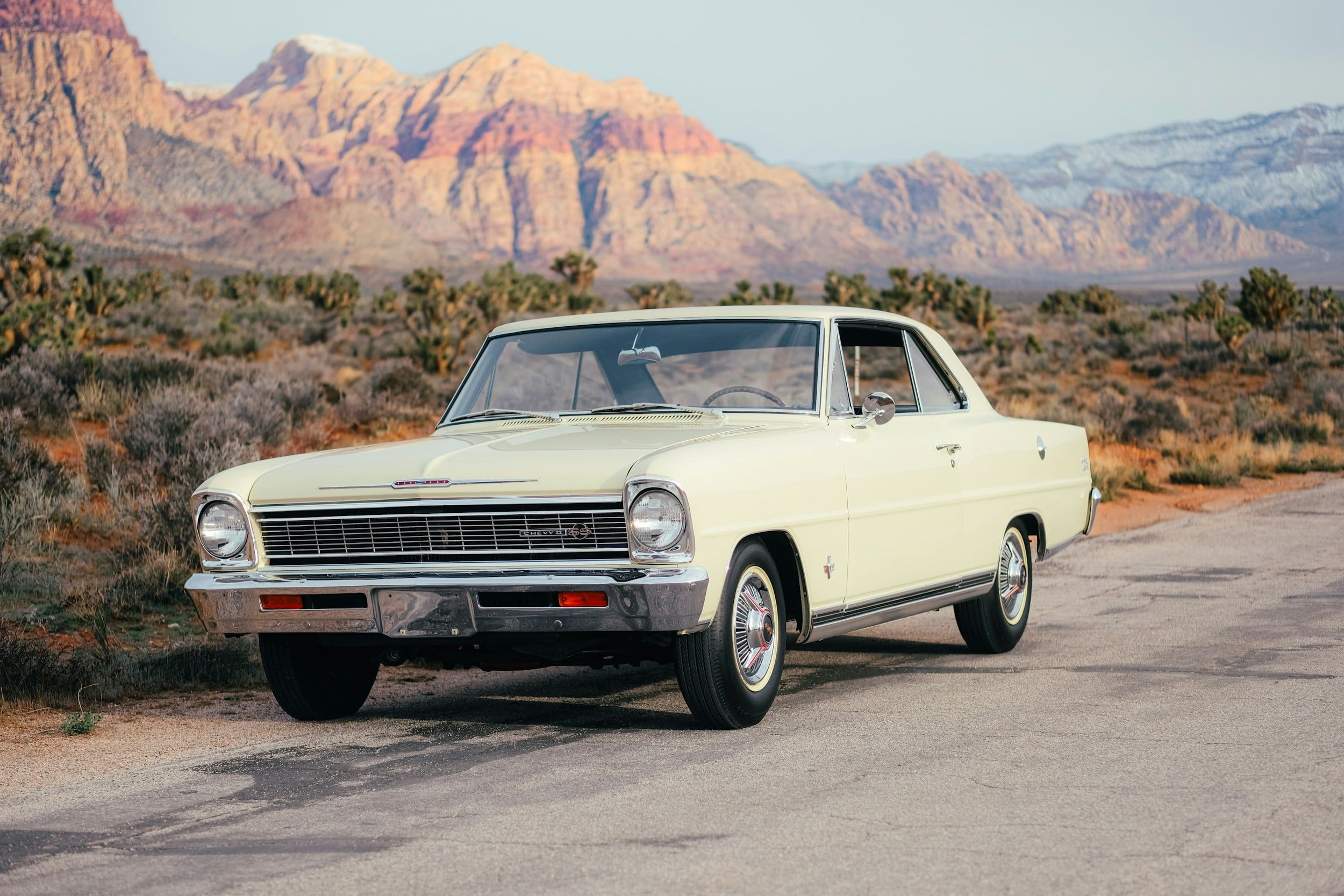
We appraise muscle cars, classics and collector favorites from every era. That covers American muscle like the Chevelle, Camaro, Mustang and GTO, European sports and touring cars, vintage trucks, and modern classics from the 1980s and 1990s. For contemporary supercars and high-end luxury cars, see exotic and luxury car appraisals.
What drives a classic car’s value
A classic car appraisal turns on the details that separate one example from another. These are the factors ProValue documents in every classic assignment:
Originality
Original body panels, interior, trim and factory options. A car that left the factory a certain way and still is that way usually draws the strongest interest from collectors.
Matching numbers
Whether the engine, transmission and rear axle are the ones the car was built with, confirmed by stamped numbers that tie back to the VIN or the build records. A replacement engine of the right type is not the same as the original block.
Documentation
Build sheets, window stickers, dealer invoices, original title history and restoration records. Paper turns a claim about the car into a fact about the car.
Provenance
Who owned the car, where it lived, and whether it appeared in shows, club registries or publications. A known history adds confidence for buyers and insurers alike.
Restoration quality
Who did the work, how correct it is to factory specification, and how well it has held up. A careful, documented restoration supports value. A quick cosmetic job can hide rust, filler and wiring problems.
Rarity and demand
Production numbers, engine and trim combinations, colors and current interest in the model. Rarity only adds value when buyers want the car.
Condition and modifications
Paint, chrome, interior and mechanical condition, plus any upgrades. Restomods and period modifications appeal to some buyers and lower the price for originality-focused collectors.
Not sure what your car has? Henry can tell you what matters for it.
Free consultation
| What a generic pricing source sees | What a classic car appraisal checks |
|---|---|
| Year, make and model | Exact body style, engine, trim and factory options |
| An average condition label | Section-by-section condition of body, paint, chrome, interior and mechanicals |
| No originality data | Matching numbers, original panels and replaced components |
| No history | Ownership chain, build records, registry entries and restoration invoices |
| Broad, high-volume listings | Closely matched sales and auction results for that model and condition |
Five reasons owners order a classic car appraisal
ProValue groups classic car work into five main categories: pre-purchase inspections, insurance valuations, resale evaluations, financing appraisals and legal dispute assessments. The examples below show what each one looks like in practice. Any dollar figures are a hypothetical example in round numbers, not a real valuation or client result.
Pre-purchase inspection: knowing what you are buying
A pre-purchase classic car inspection means an appraiser examines the body and mechanical fundamentals of a car before you buy it, including the engine, transmission and the faults that commonly recur on that model, so the price matches what you are actually getting. Picture a ’66 Mustang listed online that looks beautiful in photos. Before money changes hands, the inspection finds the original engine was swapped for a newer one. The car is not as original as advertised, and that changes what it is worth. See our pre-purchase inspection service.
Insurance valuation: coverage that reflects the real car
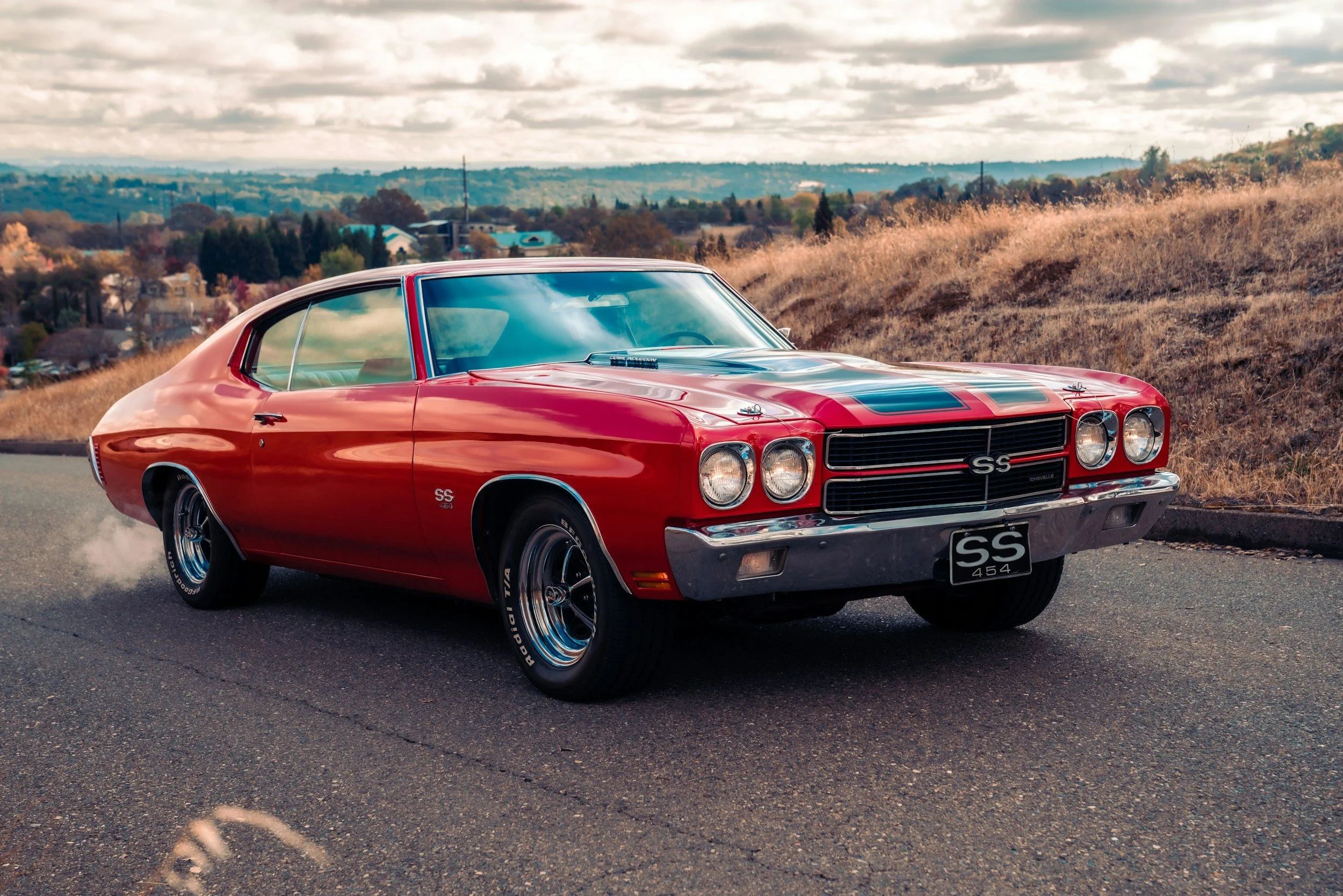
An insurance valuation gives your insurer a documented value for your specific classic, so the car is not treated like any other old car. Hypothetical example: a restored 1970 Chevelle might be documented at around $50,000, while a generic pricing tool sees an ordinary old coupe worth around $5,000. With the documented value on file, the coverage can be set at the right amount before anything goes wrong. See our agreed value appraisal service.
Resale evaluation: pricing with evidence
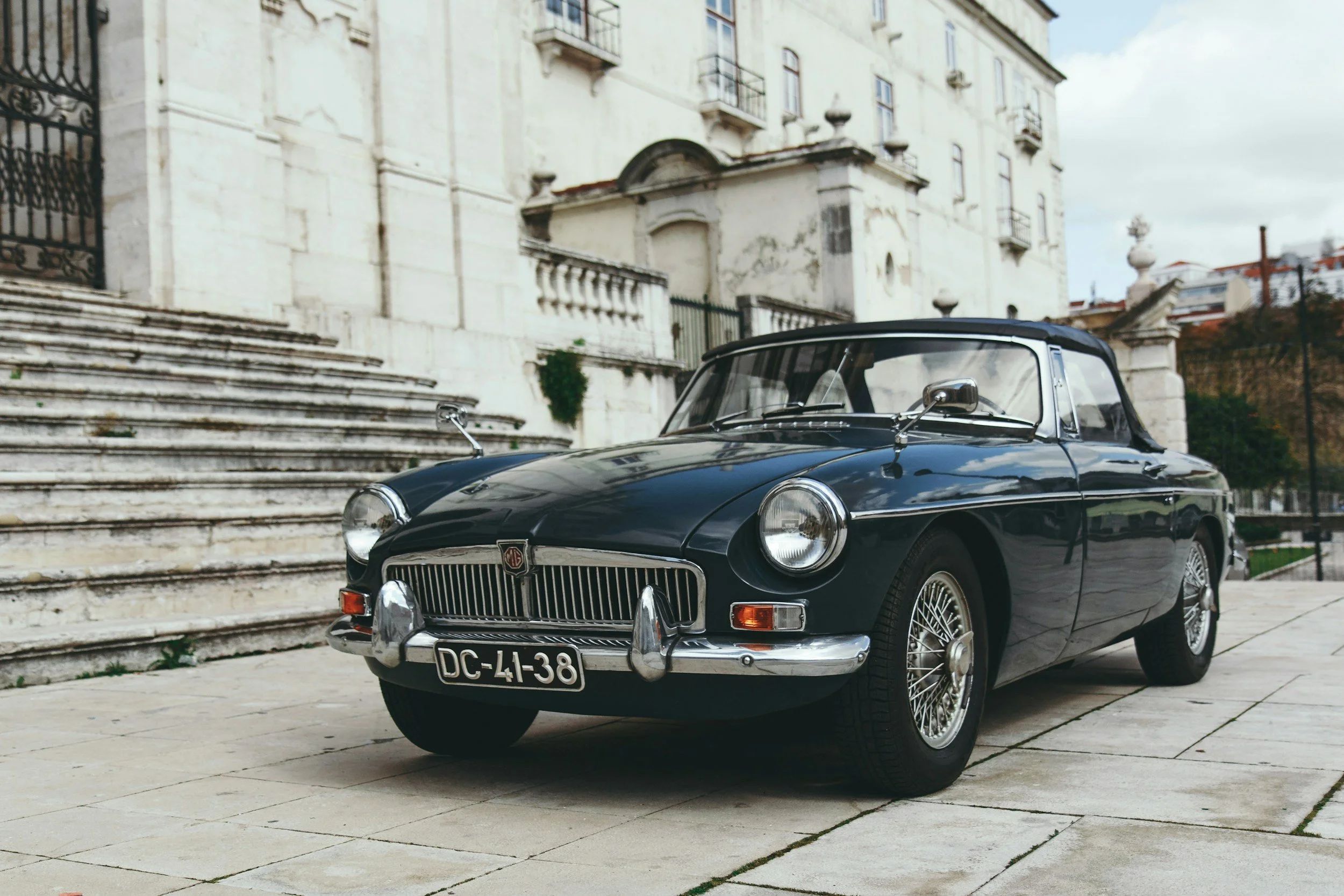
Before selling a classic, a resale evaluation sets a fair market value based on condition, rarity, demand and comparable sales, and gives buyers a credible report that explains the asking price. Picture an owner selling a vintage Porsche 911 with no idea what it is worth. The appraisal shows a value supported by similar sales, so the owner can list with confidence instead of guessing. See our resale appraisal service.

Financing appraisal: proof for the lender
Lenders that accept a classic as collateral often ask for an appraisal, or order one themselves, to support the amount they are asked to lend. Picture an owner using a 1955 Bel Air to secure a loan. The bank asks for an independent report, and the documented value helps it accept the car as collateral. See our financing appraisal service.

Legal dispute assessments: one neutral number
Classic cars end up in divorces, estate settlements and lawsuits, where each side tends to have its own idea of the car’s worth. Picture two siblings who inherit their father’s 1968 GTO: one believes it is worth far more than the other does. An independent appraisal gives both of them, and their attorneys, the same documented figure and the evidence behind it. See our estate appraisal and divorce appraisal services.

Estate planning and donation
Owners also order a classic car appraisal to plan an estate before it is needed, or before giving a car to a charity. A donation has its own tax rules, and the donor should confirm with a tax professional what the IRS requires for that gift. See our donation appraisal service.
Insuring a classic: agreed value, stated value and actual cash value
How a classic is insured decides what a total loss pays, and the three common approaches work very differently.
What a total loss pays
The agreed amount, subject to your policy terms
- Agreed value: What it means
- You and the insurer agree on the car’s value when the policy is written
- Role of a classic car appraisal
- Supports the agreed figure from the start
What a total loss pays
The lower of the stated value or the actual cash value, per Progressive
- Stated value: What it means
- You state a value on the policy
- Role of a classic car appraisal
- Shows what the car was really worth if actual cash value is lower than you expect
What a total loss pays
Fair market value just before the loss
- Actual cash value: What it means
- A standard auto policy that pays market value
- Role of a classic car appraisal
- Documents the market the insurer’s software may miss
Progressive’s explanation of agreed value coverage describes agreed value as the value of your collector car “as you and your insurer agreed upon,” and warns that under stated value the insurer “isn’t obligated to pay out the stated value of your vehicle if it’s totaled.” It also says some insurers require photos or appraisals and review documentation of the vehicle’s history and condition, and that requirements vary by insurer.
On a standard policy, the California Department of Insurance explains in its accident guide that the company generally pays the lesser of the cost to repair or the actual cash value, and that non-factory equipment usually has little or no coverage unless extra coverage was bought. The CDI glossary defines actual cash value, unless the policy says otherwise, as fair market value: what a knowledgeable buyer under no unusual pressure would pay and a knowledgeable seller under no unusual pressure would accept.
Key point: Some owners learn only after a loss that their classic was on an ordinary policy. Read your declarations page now, and if the car is worth more than a generic book value, ask your insurer which coverage types it offers.
Free consultation
You describe the car and why you need the appraisal. The intended use decides whether the assignment needs a physical inspection, a review of records, market research or a combination.
Scope and fee agreed
The scope of work and the fee are set before any work begins.
Inspection
In person in 13 counties, from San Diego and Imperial up to Santa Barbara, San Luis Obispo and Fresno, or online elsewhere in California from clear current photos: wide exterior shots, interior, engine bay, odometer and any damage or modifications. Insurance claims, legal disputes and rare purchases may still need an in-person look.
Research
The appraiser gathers market evidence relevant to the car and its market, including comparable sales and auction results for similar cars in similar condition.
Report
A vehicle-specific report that explains how the value was developed, delivered as a signed, full-color PDF by email, with an optional hard copy by mail. Most reports are completed within 2 to 4 business days.
Follow-up
If you have questions about the report, ProValue explains its findings to you in writing. If anything was missed, the appraisers go back and fix it.
What the classic car appraisal report includes
- Identification
- year, make, model, body style, VIN, and engine and transmission numbers where they can be read.
- Photographs
- exterior, interior, engine bay, undercarriage and supporting documents.
- Condition
- body, paint, chrome, interior, mechanical and structural condition, noted section by section.
- Originality and modifications
- what is original, what was replaced and what was upgraded.
- Market evidence
- comparable sales and auction results, with the reasons each one was used.
- Conclusion of value
- a clear figure for the stated purpose, such as agreed value for insurance, fair market value for a sale or estate, or pre-loss value for a claim.
Start your classic car appraisal
The consultation is free, and the fee is agreed before any work begins. Have your VIN, mileage, a few photos and any records ready, then use the free consultation form or call (424) 444-3737. ProValue is open Monday to Saturday, 9 AM to 6 PM.
Checklist: what to gather before a classic car appraisal
0 of 8 ready
Mistakes that cost classic car owners money
Insuring a classic on an ordinary policy without knowing it
A standard policy pays actual cash value, which may not reflect a restored or collectible car.
Letting an agreed value go stale
A figure set years ago may sit well below today’s market after a restoration or a rise in demand for the model.
Keeping no records
Restoration receipts and build documents are evidence. Keep copies somewhere other than the garage.
Buying on photos alone
A pre-purchase inspection catches swapped engines, hidden body repair and misrepresented trim while you can still walk away.
Overstating the value
An inflated figure can raise premiums and invite pushback in a claim, a sale or a dispute. A value backed by evidence is easier to explain.
More for the owner who reads the fine print
What counts as a classic, total losses, diminished value and where we work.
What counts as a classic car
Definitions vary. A classic is commonly described as a car at least 20 to 25 years old, and collector insurers, car clubs and buyers each draw the line in a different place. Age alone does not make a car a classic. Historical significance, design, craftsmanship and the ability to hold or gain value over time all play a part, which is why an iconic 1960s Mustang, a 1970s Camaro and a well-kept 1980s Porsche 911 can all be treated as classics.
California has its own definition for license plate purposes. Under Vehicle Code section 5004, the state issues special plates for vehicles operated mainly for historical exhibition or similar purposes, including the Historical Vehicle series for a vehicle made after 1922 that is at least 25 years old and of historic interest. The code defines historic interest as a vehicle “collected, restored, maintained, and operated by a collector or hobbyist principally for purposes of exhibition and historic vehicle club activities.” The initial fee is $25 and the plates are permanent. A plate is a registration choice, not a valuation, but it tells you how the state itself frames an older car kept for shows and club events. For cars built in 1922 or earlier, see our page on vintage and antique appraisals.
When a classic is damaged or totaled
If a classic insured at actual cash value is totaled, the settlement depends on comparable vehicles, and classics rarely have many. Under 10 CCR 2695.8(b), a comparable automobile must be of like kind and quality, from the same manufacturer, of the same or newer model year, of the same model type and similar body type, with similar options and mileage. The insurer must take reasonable steps to make the cost accurate and representative of the local market area, and must itemize and explain it in writing. When no comparable vehicles are available in the local market area, the regulation allows the insurer to use the average of two or more quotations from two or more dealers in that area. For a classic, the quality of those quotations matters a great deal: a dealer who does not handle collector cars may quote a generic old car.
The same regulation says any adjustment to the cost of a comparable must be discernible, measurable, itemized and documented, and that condition deductions are not allowed unless the documented condition of the loss vehicle is below average for its year, make and model. A classic car appraisal documents condition, originality and the right comparables so you can submit that evidence and ask the insurer to reconsider.
In a first-party total loss, 10 CCR 2695.8(c) requires the insurer to tell you that if you cannot buy a comparable car for the settlement amount and you say so within 35 calendar days, it will reopen the claim. Most standard policies also contain an appraisal provision, which the CDI accident guide describes: each side picks a competent appraiser, the appraisers pick a neutral umpire, and an amount any two agree on is binding. ProValue can serve as the policyholder’s appraiser in that process. For more, see total loss valuation.
ProValue writes appraisal reports. It does not act as a public adjuster or give legal advice. In an appraisal clause case, Henry reads the insurer’s report and negotiates the value with the insurer’s appraiser. You, or your attorney, decide what to do with the report: submit it to the insurer, invoke the appraisal clause, ask the CDI for help (and, for an eligible dispute with your own insurer, the CDI mediation program), or take the next legal step. A report does not guarantee that an insurance company will revise its offer. It provides documented market evidence that may support a request for reconsideration or the appraisal process under the policy.
Diminished value on a classic car
A classic that has been damaged and repaired can be worth less than the same car without the damage. Collectors pay for originality, so a repair that replaces original sheet metal, refinishes original paint or uses reproduction trim can cost a classic more market value than the same repair on a daily driver. The quality of the work matters too: misaligned panels, mismatched paint or incorrect parts are all things a careful buyer will notice.
California’s general measure of damages for a wrong such as a negligent crash, under Civil Code section 3333, is the amount that compensates for all the detriment it caused, which is why a loss in market value can be part of a property damage claim against the at-fault driver. A classic car diminished value appraisal compares the pre-loss value with the value after repair and documents why the two differ. Ask an attorney about your specific claim, and see our diminished value page for how the process works.
Classic car appraisal in Los Angeles
ProValue Appraisal works from an office in Glendale, so a classic car appraisal in Los Angeles is close to home for us. We come to the car wherever it is kept, whether that is a home garage or a body shop. In Los Angeles, collector cars trade alongside commuter sedans and work trucks, and few of them fit a pricing guide. Older Pasadena garages hold muscle cars, vintage European sports cars and pickups from the 1950s and 1960s that one owner has kept for decades. In Beverly Hills the car is often a luxury, exotic or collector car, where a small valuation error turns into a large amount of money. In Santa Monica and across the county, the method stays the same: condition, originality, records and real sales of similar cars.
I had a great experience with ProValue Appraisal. Harut did an amazing job appraising my car. He was professional, thorough, and super easy to work with. He made the whole process quick and straightforward, and I felt confident in the results.
Get a value you can stand behind.
Tell us about the vehicle and what the appraisal is for. We tell you honestly what it needs, and there is no upfront cost.
Certified auto appraiser. Free consultation, no upfront cost.
Call Henry
(424) 444-3737- Open Monday to Saturday, 9 AM to 6 PM
- 121 W Lexington Dr, Suite 418B, Glendale, CA 91203
Call Henry
Tell Henry what happened and what the insurer has offered. The consultation is free and there is no upfront cost.
Call (424) 444-3737Open Monday to Saturday, 9 AM to 6 PM
Questions people ask
How much does a classic car appraisal from ProValue cost?
The fee depends on the car, the purpose of the appraisal and whether the classic is inspected in person. The consultation is free and there is no upfront cost. Pricing is discussed when you call, and ProValue agrees the fee with you before any work begins, so there is no surprise invoice after the report is delivered.
How old does a car need to be to count as a classic for an appraisal?
There is no single definition. A classic is commonly described as a car 20 to 25 years old or older, and insurers, clubs and buyers each draw the line differently. California’s Historical Vehicle license plate series, under Vehicle Code section 5004, covers vehicles made after 1922 that are at least 25 years old and of historic interest. For an appraisal, what matters most is how the market values that specific car.
Does a classic car appraisal help me get agreed value insurance?
It can. Under an agreed value policy, you and the insurer agree on the car’s value when the coverage is written, and that amount is what the policy covers. Some insurers require photos or an appraisal before they accept a value, and requirements vary by insurer. A documented classic car appraisal gives the insurer the evidence behind the number you ask for.
What happens if a classic car insured at actual cash value is totaled?
Under an actual cash value policy, the insurer pays fair market value just before the loss, based on comparable vehicles in the local market area. California regulations allow dealer quotations when no comparable vehicles are available locally, which is common for classics. An independent classic car appraisal documents the car’s real condition, originality and market so you can submit that evidence with the claim.
Can a restored classic car lose value after an accident is repaired?
Yes. Collectors pay for originality and a clean history, so a classic that has been damaged and repaired can sell for less than the same car without the damage, especially if original panels or trim were replaced. That loss is called diminished value. A claim for it is usually made against the at-fault driver’s insurer, and an attorney can explain your options for a specific case.
Can ProValue appraise a classic car anywhere in California?
Yes. ProValue inspects classic cars in person in 13 counties, from San Diego and Imperial up to Santa Barbara, San Luis Obispo and Fresno, and appraises classics online elsewhere in California, using detailed photos and records you send by email. Legal disputes, insurance claims and the purchase of a rare or specialty car may still call for an in-person inspection, and the free consultation settles which route fits.
When should the value in a classic car appraisal be updated?
Update the classic car appraisal after a restoration or major mechanical work, after adding parts or equipment, when the market for your model has clearly moved, and before you renew or change an agreed value policy. An appraisal describes the car and the market on one date, so an old figure can leave the car insured for less than it is now worth.
What paperwork makes a classic car appraisal stronger?
The strongest classic car appraisals rest on paper: the title, build sheet or window sticker, restoration invoices with before and after photos, records of engine and transmission work, ownership history, and any club registry entries, show awards or magazine features. Missing items are normal for older cars. Bring what you have, and ProValue will tell you which records would help most for your purpose.
Related appraisals
- Agreed Value for InsuranceSet the insured value of a collector or specialty vehicle.
- Vintage and AntiquePre-war and early postwar vehicles.
- Exotic and LuxuryFerrari, Lamborghini, Bentley and other high-end cars.
- Pre-Purchase InspectionCheck condition and value before you buy a used vehicle.
- Diminished ValueYour car was repaired, but its resale value dropped.
In person near you
We inspect vehicles in person in Los Angeles, Orange, Ventura, San Bernardino, Riverside, San Diego, Santa Barbara, Kern, San Luis Obispo, Tulare, Kings, Fresno and Imperial counties. Each county page lists every city we cover there.
- Los Angeles County
- Orange County
- Ventura County
- San Bernardino County
- Riverside County
- San Diego County
- Santa Barbara County
- Kern County
- San Luis Obispo County
- Tulare County
- Kings County
- Fresno County
- Imperial County
- Glendale
- Long Beach
- Los Angeles
- Pasadena
- Anaheim
- Irvine
- Oxnard
- San Bernardino
- Riverside
- San Diego
- Santa Barbara
- Bakersfield
- All areas we serve
Updated