
Estate vehicle appraisal for executors, trustees and heirs
An estate vehicle appraisal documents what each vehicle in an estate or trust was worth, for executors, trustees and heirs who need a fair number before anything is divided, sold or transferred. In a formal California probate, the probate referee appraises vehicles under Probate Code section 8902, and a private appraisal from ProValue Appraisal can serve as supporting data.
Certified auto appraiser. Free consultation, no upfront cost.
- Usual date of value
- The date of death
- Who orders it
- Executors, trustees, heirs
- Report turnaround
- Most in 2 to 4 business days
- Free consultation
- No upfront cost
What an estate vehicle appraisal is
An estate vehicle appraisal is an independent opinion of what a deceased person’s car, truck, motorcycle, RV or other vehicle was worth on a stated date, usually the date of death. It identifies the exact vehicle, records its condition and equipment, and supports its fair market value with market evidence, so the people settling the estate can rely on a number they can explain.
A daily driver may be easy to price. A garage-kept classic, a rare motorcycle or a loaded motorhome is not, and family members tend to remember those vehicles at very different values. ProValue’s reports are used in estate settlements and estate planning because they give everyone the same written, explained number.
Who orders an estate vehicle appraisal
- Executors and administrators who must list and value the estate’s property.
- Trustees of a living trust who need to divide trust assets or sell them under the trust’s terms.
- Heirs and beneficiaries who want a fair value before a vehicle is divided, bought out or sold.
- Estate attorneys who need a documented value for the estate file.
- Owners planning their estate, including classic motorcycles held for deeds and trusts.
ProValue writes the appraisal report. ProValue does not give legal or tax advice, and it does not decide who receives what. Questions about the estate itself belong with the estate’s attorney.
Why the date of value matters in an estate
The date of death
The usual date of value.
The alternate valuation date
If the personal representative chooses it.
Today
Months later, the report can still value the earlier date.
The California Department of Insurance glossary defines fair market value as the dollar amount a knowledgeable buyer, under no unusual pressure, is willing to pay and a knowledgeable seller, under no unusual pressure, is willing to accept. In an estate, that value is measured as of a specific date, and a collector car’s market can change over months.
The date of death is the usual date of value, partly for tax reasons: IRS Publication 551 says that, generally, the basis of property inherited from a decedent is its fair market value at the date of the individual’s death, or its fair market value on the alternate valuation date if the personal representative chooses alternate valuation. A documented date-of-death value gives heirs and their tax professional a record to work from. ProValue does not give tax advice, so confirm which date applies with the estate’s tax professional before the appraisal starts.
Retrospective valuation: valuing a past date
By the time a family orders an appraisal, months may have passed, or the car may already be sold. A retrospective estate vehicle appraisal values the vehicle as it was on the earlier date. The appraiser uses the condition the evidence shows for that date (photos, the odometer reading, service records, insurance documents) and market evidence from around that date, not today’s listings.
Key point: Tell the appraiser the date of value at the free consultation. An estate vehicle appraisal valued on the wrong date answers the wrong question, however carefully it is done.
Not sure which date applies? Call Henry on (424) 444-3737 before anything is ordered.
California estate routes and where a vehicle appraisal fits
How a vehicle passes to the next owner depends on how the estate is handled. The table below summarizes the main routes in general terms. It is not legal advice; the estate’s attorney decides which route applies.
- Route
- Formal probate
- What the law describes
- Inventory and appraisal filed within four months after letters issue; the probate referee appraises non-cash property
- Where an estate vehicle appraisal helps
- Supporting data for the referee, especially for classic, collector or modified vehicles
Formal probate: the inventory and the probate referee
In a California probate, the personal representative must file an inventory of the estate’s property together with an appraisal of it, within four months after letters are first issued (the court may extend the time), under Probate Code section 8800. The representative appraises cash-type items such as money, checks, bank accounts and insurance proceeds, under section 8901.
Everything else, which generally includes vehicles, is appraised by the probate referee under section 8902, and the representative delivers the inventory to the referee with the supporting data needed for that appraisal. A private estate vehicle appraisal does not replace the referee’s work. It can serve as supporting data, documenting condition, originality, equipment and comparables in a form a referee can review.
- Route
- Small estate affidavit
- What the law describes
- Collection of property by affidavit when the estate is under a dollar limit set by statute and 40 days have passed
- Where an estate vehicle appraisal helps
- Documents a vehicle’s value when the family needs to know where the estate stands against the limit
Small estate affidavit
For smaller estates, Probate Code section 13100 allows a successor to collect the decedent’s tangible personal property by affidavit, without probate, when the gross value of the decedent’s California property does not exceed a dollar limit set in the statute and adjusted periodically, and 40 days have passed since the death. Because the limit turns on value, a vehicle that may be worth more than the family assumes, such as a classic or a well-kept RV, is worth documenting. The estate’s attorney can confirm the current limit and how it applies.
- Route
- DMV transfer without probate
- What the law describes
- Heirs or beneficiaries transfer the vehicle at the DMV with a sworn certificate, regardless of the vehicle’s value
- Where an estate vehicle appraisal helps
- A fair value for dividing, buying out or selling the vehicle among heirs
DMV transfer without probate
Under Vehicle Code section 5910, when the decedent left no other property that needs probate, heirs or the beneficiary under the will can transfer a vehicle at the DMV regardless of its value. The person presents the title, if available, and a certificate signed under penalty of perjury. The DMV transfer does not set a value, so heirs who share a vehicle still need a fair number to divide it.
- Route
- Living trust
- What the law describes
- The trustee follows the trust document, outside probate
- Where an estate vehicle appraisal helps
- A documented value for distributing trust assets or setting a sale price
Vehicles held in a living trust
A trustee generally needs to know what trust property is worth in order to distribute it fairly or sell it under the trust’s terms. An estate vehicle appraisal gives the trustee a dated, explained value for each vehicle that can sit in the trust file. The trust document and the trust’s attorney decide how that value is used.
Dividing estate vehicles fairly among heirs
Disagreement over a vehicle’s value is one of the most common reasons an estate stalls. ProValue’s appraisal reports are a third-party, unbiased opinion meant to help settle that kind of disagreement, so neither side has an unfair advantage.
Hypothetical example
The following figures are a hypothetical example in round numbers, not a client result. Two siblings inherit their father’s 1968 GTO. One believes it is worth $20,000; the other believes it is worth $60,000. An independent appraisal documents the car’s originality, condition and equipment, compares it with recent sales of similar cars, and supports a value of $45,000. Now one sibling can buy out the other’s half at a documented figure, or both can agree to sell at a price grounded in the market.
An agreed appraisal works best when all heirs choose the appraiser, share the same documents and agree on the date of value before it starts.
- First step
- A free consultation: we tell you honestly whether an appraisal is worth it.
- Cost to start
- Free consultation, no upfront cost. Pricing is discussed when you call.
- How long
- Most reports in 2 to 4 business days.
- Where
- In person in 13 Southern and Central California counties. Online anywhere else in the state.


Estates with several vehicles or a collection
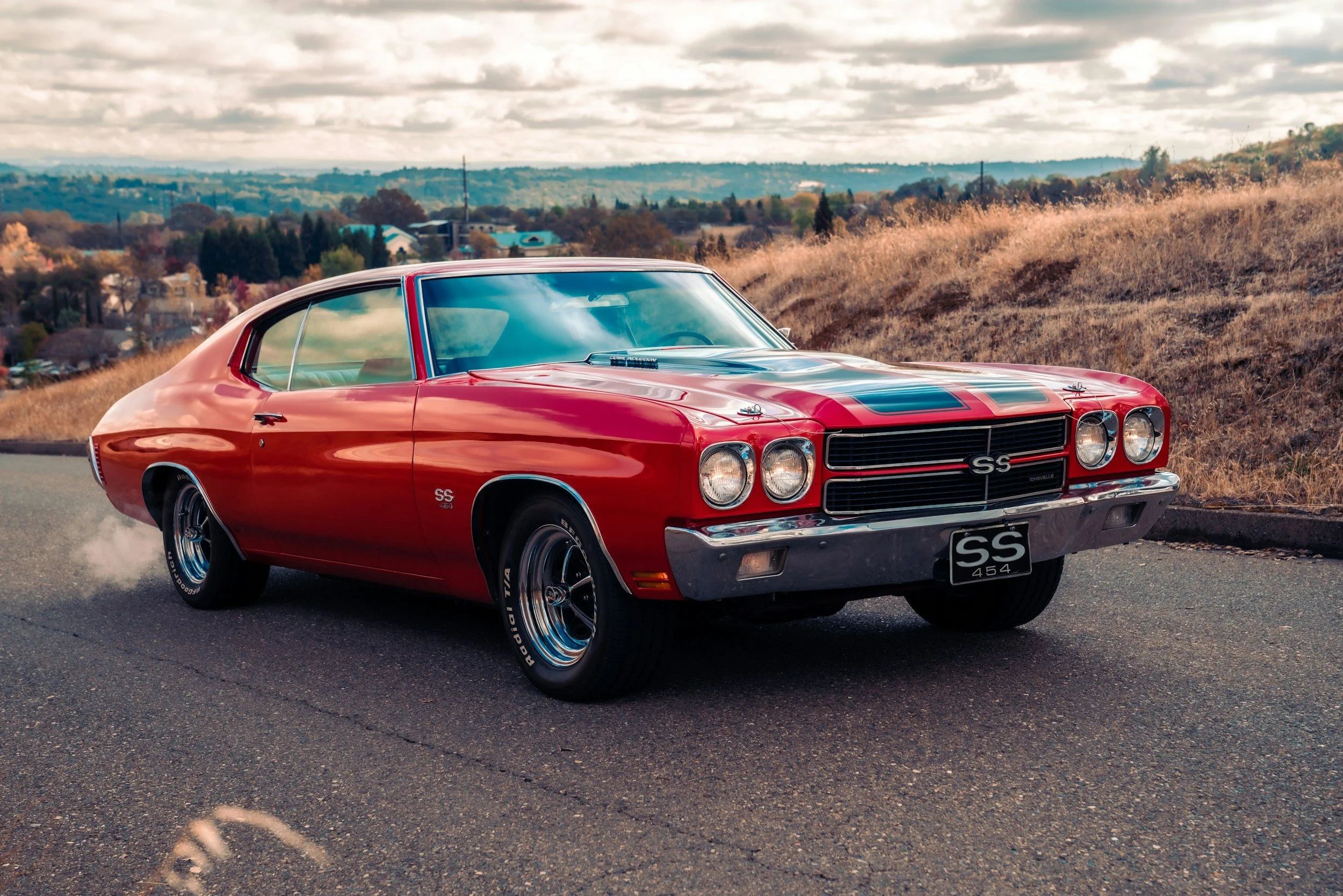
Some estates hold a collection: classic cars, motorcycles, a motorhome, a work truck or an unfinished project car. Each vehicle gets its own value, because each has its own condition, mileage, equipment and market.
- Classic and collector cars need closely matched comparables and attention to originality. See classic car appraisal and vintage and antique vehicles.
- Motorcycles are valued on configuration, mileage and documented modifications. See motorcycle appraisal.
- RVs, from Class A motorhomes to fifth wheels, depend on floor plan, installed systems and condition. See RV appraisal.
- Modified vehicles need upgrades supported by market behavior, not by what the owner spent. See modified car appraisal.
A collection can be one assignment with one agreed scope and fee, so every vehicle is valued on the same date and basis.

Start your estate vehicle appraisal
ProValue Appraisal is a family-owned, independent auto appraiser in Glendale, founded in 2023, whose appraisers have more than 1,000 hours of appraisal work. The consultation is free and fees are agreed before work begins. Call (424) 444-3737, open Monday to Saturday, 9 AM to 6 PM, or start online with the title, photos and the date of value.

Free consultation
Call (424) 444-3737 or use the get started form. Explain the estate, the vehicles, the date of value and how the report will be used (probate supporting data, dividing among heirs, a trust, a sale).
Scope and fee
The intended use decides whether the assignment needs a physical inspection, a review of records and photos, market research or a combination. The scope and the fee are agreed before any work begins.
Inspection or photo review
ProValue inspects vehicles in person in 13 counties, from San Diego and Imperial up to Santa Barbara, San Luis Obispo and Fresno. For vehicles elsewhere in California, the online appraisal process uses clear current photos and records.
Market research
The appraiser researches comparable vehicles in the relevant market, as of the date of value.
Report
Most reports are completed within 2 to 4 business days. ProValue stays in touch with you and the estate’s attorney during the work, and if anything was missed, the appraisers go back and fix it.
What the estate vehicle appraisal report contains
- The date of value and the intended use of the report
- Vehicle identification: year, make, model, trim, VIN and mileage (or the best evidence of mileage on the date of value)
- Condition, factory equipment, upgrades and any damage, with photos
- Comparable vehicles and how each was adjusted for differences
- The fair market value conclusion, with the reasoning shown step by step
- The documents and sources relied on
The report is delivered as a signed PDF, with an optional hard copy by mail for online appraisals. If the referee, an heir or the attorney has questions about it, ProValue explains its findings in writing.
Documents to gather for an estate vehicle appraisal
0 of 7 ready
Mistakes estates make with vehicles
Using a pricing guide for a classic or modified vehicle
Guides describe ordinary versions of a model, not a restored or customized one.
Valuing on today’s date when the estate needs the date of death
Agree the date of value first.
Selling before anyone documents condition
Once a vehicle is gone, photos and records are all that remain.
Each heir hiring a different appraiser without agreeing on the date or documents
That often produces two reports that answer different questions.
Letting a stored vehicle deteriorate
Flat tires and dead batteries lower value over months of waiting.
If the family decides to sell
Pricing an estate vehicle, or giving it to charity instead.
Selling an estate vehicle
An estate vehicle appraisal helps executors and heirs set a realistic asking price and gives buyers a written reason for it. The car appraisal for selling guide covers what California sellers generally must do. If the family would rather give a vehicle to charity, read about car donation appraisal first, because donated vehicles follow specific tax rules.
Get a value you can stand behind.
Tell us about the vehicle and what the appraisal is for. We tell you honestly what it needs, and there is no upfront cost.
Certified auto appraiser. Free consultation, no upfront cost.
Call Henry
(424) 444-3737- Open Monday to Saturday, 9 AM to 6 PM
- 121 W Lexington Dr, Suite 418B, Glendale, CA 91203
Call Henry
Tell Henry what happened and what the insurer has offered. The consultation is free and there is no upfront cost.
Call (424) 444-3737Open Monday to Saturday, 9 AM to 6 PM
Questions people ask
What date does an estate vehicle appraisal value the car on?
Most estate vehicle appraisals value the car as of the date of death, because that is the date executors, heirs and their tax professionals usually need. IRS Publication 551 says the basis of inherited property is generally its fair market value at the date of death, or on the alternate valuation date if the personal representative chooses it. Ask the estate’s attorney or tax professional which date your assignment needs.
Does a California probate referee appraise the vehicles in an estate?
In a formal California probate, the personal representative appraises cash-type items, and Probate Code section 8902 says the probate referee appraises all other property, which generally includes vehicles. The representative gives the referee the inventory with supporting data. A private estate vehicle appraisal can be part of that supporting data, especially for a classic or modified vehicle that a pricing guide does not describe well.
Can heirs transfer a car at the California DMV without probate?
Often, yes. Vehicle Code section 5910 lets heirs or the beneficiary under the will transfer a vehicle at the DMV, regardless of its value, when the estate has no other property that needs probate. The person signs a certificate under penalty of perjury covering the date and place of death, that no probate is being conducted, their right to the vehicle and that unsecured creditors are paid.
How can siblings agree on the value of an inherited classic car?
Siblings who disagree on an inherited classic car’s value usually do best with one independent appraisal they all agree to use. The appraiser documents the car’s condition, originality and equipment, then supports a fair market value with comparable sales. A written, explained number gives the family something to divide or buy out against, instead of each person’s guess or memory.
Can an estate vehicle appraisal be done after the car has been sold or moved?
Yes, in many cases. A retrospective estate vehicle appraisal values the vehicle as of an earlier date, such as the date of death, using photos, the odometer reading, service records, the title and market evidence from around that date. The more records the family kept from that period, the better supported the value. A bill of sale also helps show what happened to the vehicle afterwards.
Does an estate with several cars need a separate appraisal for each vehicle?
Each vehicle gets its own value, because each has its own condition, mileage, equipment and market. A collection can still be handled as one estate vehicle appraisal assignment, with one scope of work and one report or a set of reports, so the family sees every vehicle side by side. The fee is agreed before any work begins.
Is an estate vehicle appraisal the same as legal advice about the estate?
No. An estate vehicle appraisal documents what a vehicle was worth on a stated date and explains how that value was developed. It does not decide who inherits, which court process applies or what taxes are owed. ProValue does not give legal or tax advice. The estate’s attorney, a licensed California attorney or a tax professional answers those questions.
Related appraisals
- Divorce and Legal DisputesA neutral value for a divorce, lawsuit or other dispute.
- Classic and Collector CarsAgreed value, resale, financing and disputes.
- Online AppraisalA signed appraisal from photos, anywhere you are.
- Vehicle DonationDocument fair market value when you donate a vehicle.
- Resale ValuePrice your vehicle with evidence before you sell it.
In person near you
We inspect vehicles in person in Los Angeles, Orange, Ventura, San Bernardino, Riverside, San Diego, Santa Barbara, Kern, San Luis Obispo, Tulare, Kings, Fresno and Imperial counties. Each county page lists every city we cover there.
- Los Angeles County
- Orange County
- Ventura County
- San Bernardino County
- Riverside County
- San Diego County
- Santa Barbara County
- Kern County
- San Luis Obispo County
- Tulare County
- Kings County
- Fresno County
- Imperial County
- Glendale
- Long Beach
- Los Angeles
- Pasadena
- Anaheim
- Irvine
- Oxnard
- San Bernardino
- Riverside
- San Diego
- Santa Barbara
- Bakersfield
- All areas we serve
Updated