Actual cash value appraisal: what your car was really worth

An actual cash value appraisal documents your car’s fair market value just before a total loss, theft or fire, for owners who think the insurer’s figure is low. In California, actual cash value means fair market value unless your policy defines it otherwise, and ProValue Appraisal completes most reports in 2 to 4 business days.

Certified auto appraiser. Free consultation, no upfront cost.

  • Not: What you paid
  • Not: What you still owe
  • Not: The price of a new one
  • Its priceWhite electric sedan parked on a hillside overlook under low cloudson the day of the loss
California default
Fair market value
Report turnaround
Most in 2 to 4 business days
Free consultation
No upfront cost
Online appraisal
From photos and documents
First step
A free consultation: we tell you honestly whether an appraisal is worth it.
Cost to start
Free consultation, no upfront cost. Pricing is discussed when you call.
How long
Most reports in 2 to 4 business days.
Where
In person in 13 Southern and Central California counties. Online anywhere else in the state.

What actual cash value means in California

In plain terms, actual cash value is what your car would have sold for on the day of the loss, in the condition it was in, in your local market. It is not what you paid for the car, not what you still owe on it, and not the price of a new one.

Actual cash value, or ACV, is the number behind most auto claims where the car is not repaired. The California Department of Insurance accident guide states that, unless otherwise defined in the policy, actual cash value in California means fair market value (CDI, So You’ve Had an Accident). The CDI auto glossary adds that fair market value is the dollar amount a knowledgeable buyer, under no unusual pressure, is willing to pay, and a knowledgeable seller, under no unusual pressure, is willing to accept.

What the appraisal measures

An actual cash value appraisal measures that figure for your specific vehicle. It documents the trim, equipment, mileage and pre-loss condition, compares the car with similar vehicles offered in your local market, and explains how the value was reached, so an adjuster can follow the reasoning instead of facing an unexplained number.

ProValue Appraisal writes the report. ProValue does not give legal advice; you, or your attorney, decide how to use the report. In an appraisal clause case, Henry reads the insurer’s report and negotiates the value with the insurer’s appraiser.

Actual cash value vs replacement cost, agreed value and stated value

Your policy’s valuation basis decides what a total loss pays. Check your declarations page and the policy wording to see which one applies to your car.

Actual cash value

What it pays on a total loss

Fair market value just before the loss, unless the policy defines ACV differently

Source: CDI glossary

Replacement cost

What it pays on a total loss

The cost to replace lost or damaged property with new property of like kind or quality in the local market

Source: CDI glossary

Agreed value

What it pays on a total loss

The value you and your insurer agreed on for the car, typically for collector cars

Source: Progressive, agreed value

Stated value

What it pays on a total loss

Whichever is lower: the stated value or the actual cash value; the insurer is not obligated to pay the stated amount

Source: Progressive, agreed value

Stated value surprises many owners of special vehicles. They expect the stated number and receive actual cash value instead, because it was lower. If you own a collector, classic or heavily modified car, an agreed value appraisal set up before a loss is a different conversation from an ACV dispute after one.

Where actual cash value decides your claim

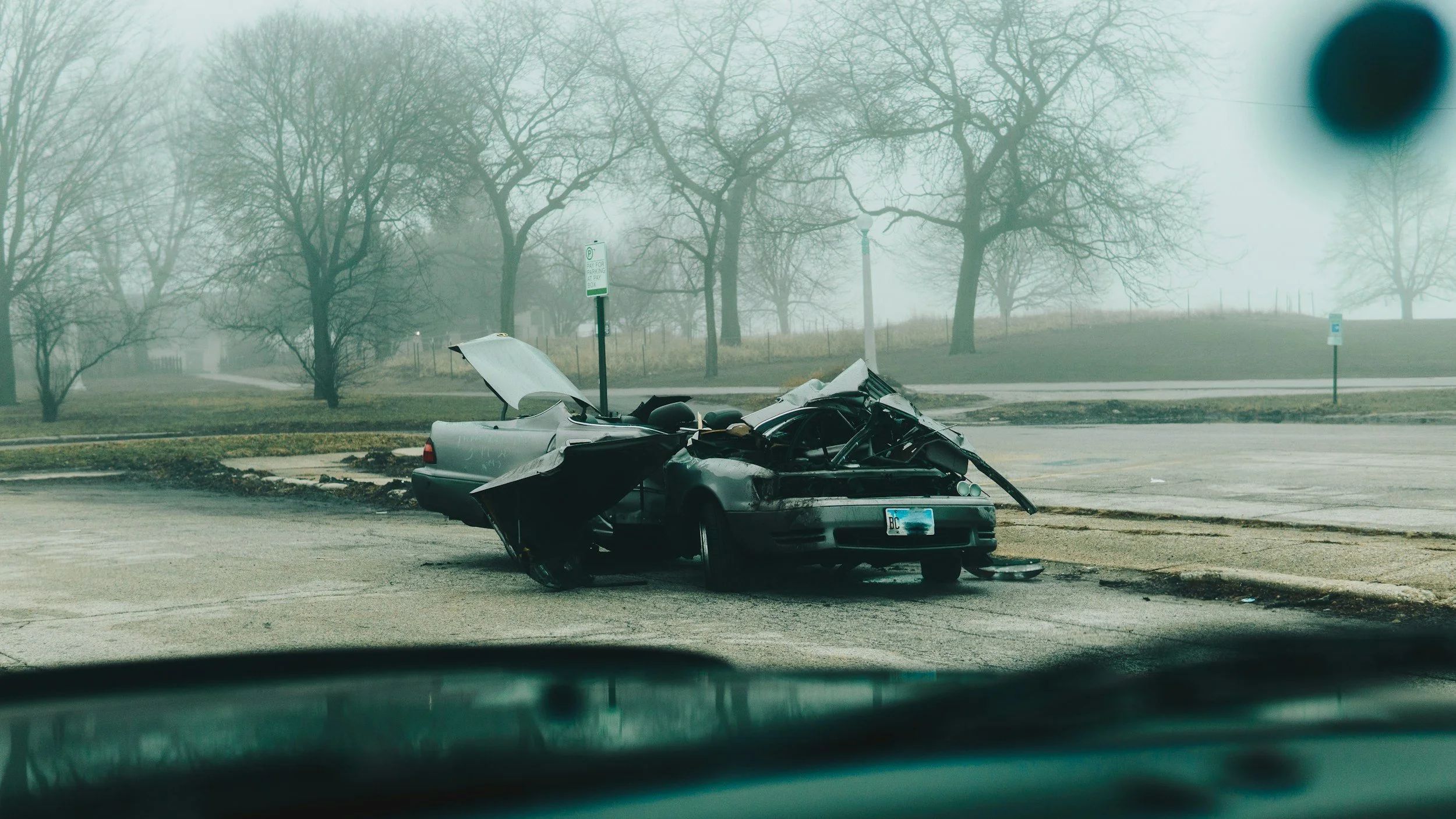
Total loss after a crash

The CDI says an auto insurer will generally pay the lesser of the amount needed to repair the vehicle or its actual cash value. When repairs cost more than the car is worth, the insurer pays ACV and the car becomes a total loss. The full settlement process, including taxes, fees, salvage and the 35-day reopen notice, is covered on the total loss appraisal page.
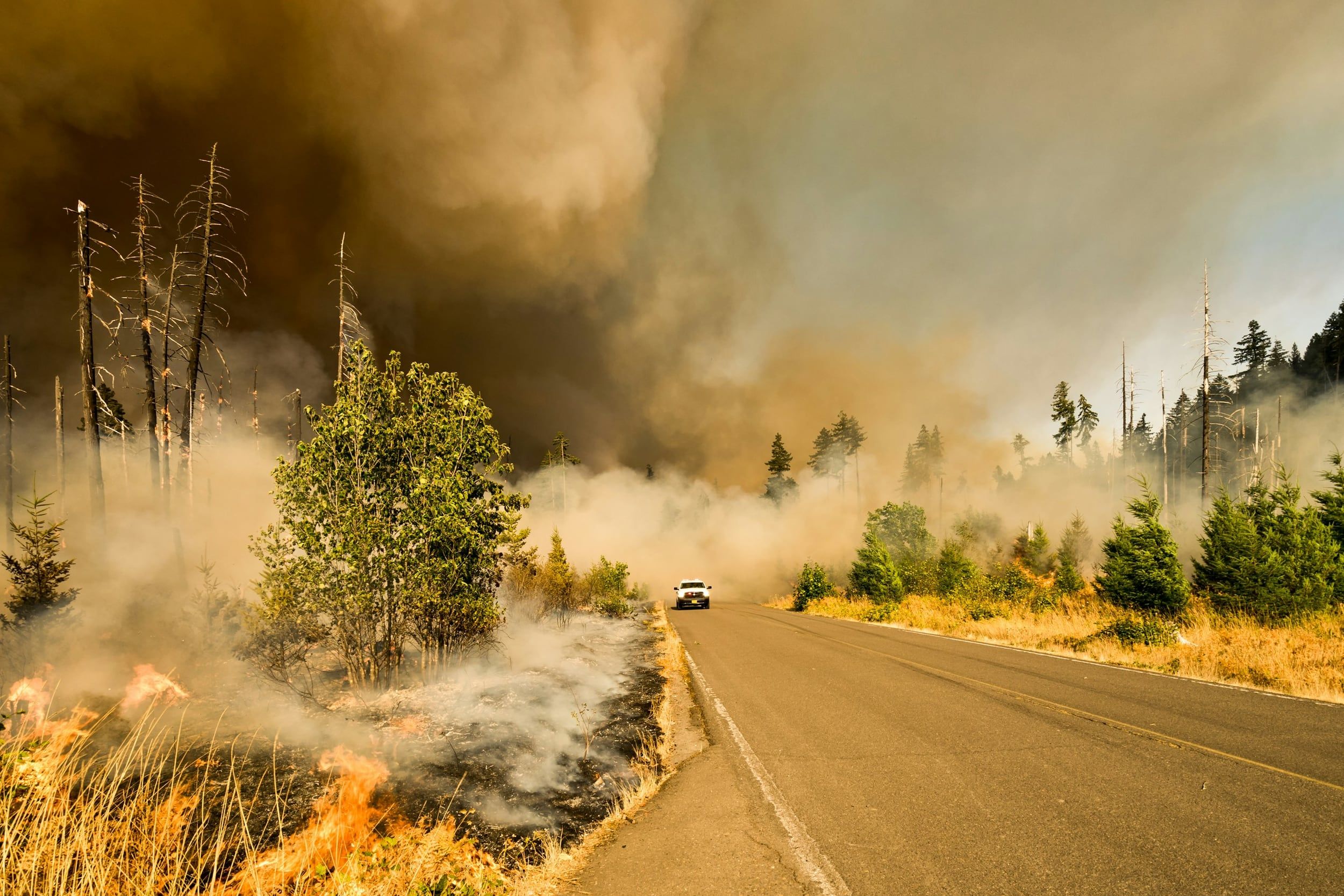
Theft

A stolen car that is never recovered is usually paid at actual cash value. The CDI glossary lists theft among the causes comprehensive coverage pays for. Because there is no car to inspect, the value is rebuilt from the VIN, factory build information, photos, mileage records, service history, purchase documents and upgrade receipts. See stolen vehicle appraisals.

Fire, flood and falling debris

The CDI glossary describes comprehensive coverage as paying for damage caused by something other than collision, such as fire, theft, vandalism, windstorm or flood. A CDI consumer alert explains that flood or fallen-tree damage is generally covered under the comprehensive portion of the policy, and advises checking your declarations page to confirm that optional coverage was in effect at the time of loss. When the car is destroyed, the payout is usually actual cash value.

Partial losses

Actual cash value also caps a repair claim. Because the insurer generally pays the lesser of repair cost or ACV, a low ACV can push a repairable car into total loss territory. An accurate value matters before the repair-or-total decision is made.

What drives a car’s actual cash value

Insurers and appraisers weigh the same core factors. The difference is in how carefully each one is checked.

Pulls it downLifts it up

Each of these moves the number.

  • Depreciation

    Vehicles lose value with age, use and technological change. A five-year-old car is generally worth less than a newer model of the same type, even in excellent condition.

  • Mileage and wear

    Higher mileage signals more use and wear, and a car closer to major maintenance or part replacement is worth less.

  • Market demand

    Popular makes and models hold value better. Demand for a model in your area can lift or lower its ACV.

  • Condition and maintenance

    A well-maintained car with a clean service history commands more. Visible damage, missing records or prior accidents reduce value.

  • Geography

    Local supply and demand change prices from one market to another, and climate affects wear. Near the coast, salt air and sun exposure can show up as corrosion or faded finishes, and an ACV appraisal documents the car’s actual condition rather than assuming either way.

How insurers calculate ACV and where they get it wrong

Most insurers use valuation software, such as a CCC or Mitchell report, built on the vehicle’s make, model, mileage and condition, local market data and depreciation. The method is reasonable. The inputs are where values go wrong:

  • The wrong trim level, which lowers the starting point before any adjustment
  • Factory packages, options or recent major work left off
  • Comparables from a different market area, or with much higher mileage or a lower trim
  • Generic or outdated market data instead of current local listings
  • Condition deductions with no photos or notes behind them

California’s comparable rules in brief

Read the rules in brief

When a car is totaled, 10 CCR 2695.8(b) requires a cash settlement to be based on the actual cost of a comparable automobile: same manufacturer, same or newer model year, same model type, similar body type, and options and mileage similar to your car. A comparable must have been available for retail purchase by the general public in the local market area within 90 calendar days of the final offer. Adjustments must be itemized and supported, and no deduction for condition may be taken unless the documented condition is below average for that year, make and model. The total loss appraisal page walks through each rule in detail. To test an insurer’s report against these rules one question at a time, use the free total loss offer checker.

Key point: In California, actual cash value means fair market value unless your policy defines it otherwise. An actual cash value appraisal is evidence of that market value, built from your car’s real equipment and condition and from your local market.

Total loss offer checkerHave the insurer’s valuation report? Check it against California’s rules and get a plain list of what to ask for in writing. Nothing you enter leaves your browser.

When to order an actual cash value report

One of these is enough reason to ask.

  • Your car was declared a total loss and the offer looks low.
  • Your car was stolen and not recovered.
  • Your car was damaged or destroyed in a wildfire, flood or other disaster.
  • The insurer’s report lists the wrong trim, missing options or distant comparables.
  • Your car had low mileage, recent major work or valuable equipment.
  • You want an independent, third-party ACV report to submit with your claim.

Start your actual cash value appraisal

ProValue Appraisal is a family-owned, independent auto appraiser in Glendale, founded in 2023, with appraisers who have more than 1,000 hours of appraisal work. Inspections are in person in 13 counties, from San Diego and Imperial up to Santa Barbara, San Luis Obispo and Fresno, and online elsewhere. Call (424) 444-3737, open Monday to Saturday, 9 AM to 6 PM, or start online for a free consultation. For everyday vehicles, see cars, trucks and SUVs.

What an actual cash value appraisal report contains

  1. Vehicle identification

    Year, make, model, trim, VIN, mileage and factory equipment.

  2. Pre-loss condition

    From an inspection or photos, service records and your description, with prior damage noted.

  3. Local comparables

    Vehicles of like kind and quality offered in the relevant market, each with its source.

  4. Adjustments explained

    Each mileage, equipment and condition adjustment, in dollars, with the reason.

  5. The ACV conclusion

    One value with the reasoning written out.

  6. Insurer report review

    Where the insurer’s valuation differs and why, when you provide it.

Most reports are completed within 2 to 4 business days, delivered as a signed PDF. There is no upfront cost, and fees are agreed before any work begins.

Checklist: what to send

Loans, repairs and next steps

Betterment, local market evidence, leased cars, and what to do with the report.

Depreciation and betterment on repairs

ACV thinking sometimes shows up in repair claims as a “betterment” or depreciation deduction, for example when a worn part is replaced with a new one. Under 10 CCR 2695.8(i), any betterment or depreciation adjustment must be discernible, measurable, itemized and specified as to dollar amount, fully explained in writing, and reflect a measurable difference in market value. It may apply only to parts normally replaced during the vehicle’s life, such as tires and batteries. Under 2695.8(j), in a first-party partial loss, labor is not subject to depreciation or betterment unless the policy clearly allows it. If your repair estimate shows such deductions, a collision damage appraisal can review them.

Local market evidence in Los Angeles

Generic software can miss how a model sells in a specific part of Southern California. Prices for luxury vehicles in Santa Monica and commuter sedans in West Los Angeles can differ from a broad regional or national average. An actual cash value appraisal looks for comparable vehicles in the market relevant to your car and the circumstances of the claim, and shows each source so the comparison can be checked.

Vehicles lost in the 2025 wildfires

Many owners in Pacific Palisades, Santa Monica and nearby communities lost vehicles in the 2025 wildfires. When a car burns, there is often little left to inspect, and records may have been lost too. An ACV appraisal can rebuild the pre-loss vehicle from the VIN, factory build data, any photos you still have, mileage records, service records, upgrade receipts and purchase documents. See natural disaster appraisals for fire and flood claims.

Leased and financed cars

The CDI accident guide states that the borrower is responsible for the balance of the loan, even if the vehicle is stolen or damaged beyond repair, and that gap insurance can usually be bought to protect against that. The CDI glossary describes loan gap coverage as paying the difference between the fair market value of your vehicle and the loan balance owed to your lender, available on new vehicles only.

If your car is leased, the leasing company owns it, and your lease sets out what happens after a total loss. Read the lease and any gap terms it includes, and ask the leasing company in writing if anything is unclear. In both cases, an accurate ACV keeps any shortfall as small as the market allows.

ACV vs diminished value

An actual cash value claim applies when your car is totaled, stolen or destroyed and the insurer pays its value at the time of loss. A diminished value claim applies when your car was repaired but is now worth less because of its accident history. Some owners need both at different stages of the same claim.

Mistakes to avoid

  • Assuming ACV means what you paid or what you owe. It means fair market value unless your policy says otherwise.
  • Accepting a number without the report. Ask for the full valuation with every comparable and adjustment.
  • Ignoring your policy’s valuation basis. A stated value policy may still pay ACV.
  • Forgetting non-factory equipment. The CDI notes standard policies usually give no or limited coverage for non-factory equipment unless you bought extra coverage, such as an additional equipment endorsement, which has its own maximum limit.
  • Letting records disappear. Save photos, receipts and listings while they are easy to find.

Your options after the ACV report

You, or your attorney, take the next step:

  • Submit the report to your insurer and ask it to reconsider its figure in writing.
  • Invoke the policy’s appraisal clause, if your policy has one. ProValue can serve as your appraiser. See the auto insurance appraisal clause page.
  • Contact the CDI at 1-800-927-4357 or through its help page. For eligible personal auto physical damage disputes with your own insurer, the CDI mediation program is free and non-binding.
  • Speak with a licensed California attorney for a denial or legal questions.

A report does not guarantee that an insurance company will revise its offer. It provides documented market evidence that may support a request for reconsideration or the appraisal process under your policy.

Questions people ask

What does actual cash value mean in a California auto insurance policy?

The California Department of Insurance says that unless the policy defines it otherwise, actual cash value in California means fair market value: the amount a knowledgeable buyer, under no unusual pressure, is willing to pay and a knowledgeable seller, under no unusual pressure, is willing to accept. Read your policy’s definitions section, because a policy can set its own meaning.

Is actual cash value the same as replacement cost for a car?

No. Actual cash value is your car’s fair market value just before the loss, reflecting its age, mileage, condition and equipment. The CDI glossary defines replacement cost as what it costs to replace lost or damaged property with new property of like kind or quality in the local market. Your declarations page and policy wording show which basis your coverage uses.

When does my insurer pay actual cash value instead of the repair bill?

The CDI explains that an auto insurer will generally pay the lesser of the amount needed to repair the vehicle or its actual cash value. When repairs would cost more than the car is worth, the insurer usually pays actual cash value and treats the car as a total loss. That makes an accurate ACV figure important even in claims that start as repairs.

Why is my car’s actual cash value different from a pricing guide number?

Pricing guides give a broad estimate for a typical car. California’s rules ask insurers to base a total loss on comparable cars available in your local market area, or on a valuation service that produces statistically valid fair market values within that local market. Your trim, options, mileage, condition and local demand can move your car’s value away from a guide figure.

What happens if the actual cash value is less than what I owe on my car loan?

The CDI says the borrower is responsible for the loan balance even if the vehicle is stolen or damaged beyond repair. Gap insurance can usually be bought to cover that shortfall, and the CDI glossary notes loan gap coverage is available on new vehicles only. An accurate actual cash value keeps the difference you owe as small as possible.

On what date does an actual cash value appraisal value my car?

An actual cash value appraisal values your car as it was immediately before the loss: the crash, theft, fire or flood. It uses the car’s pre-loss condition, mileage at the time of loss and equipment it had that day, and compares it with similar vehicles offered in the local market around that time, rather than with today’s prices or what you originally paid.

How is an actual cash value appraisal different from a total loss appraisal?

An actual cash value appraisal answers one question: what your car was worth on the open market just before the loss. A total loss appraisal uses that value and also reviews the whole settlement, including the insurer’s comparables, adjustments, taxes, fees, registration, salvage and deductible. Many owners need the full total loss review once a settlement offer has arrived.

Find out what your vehicle is really worth.

Tell us what happened. We review your situation for free and tell you honestly whether an appraisal is worth it before you pay anything.

Certified auto appraiser. Free consultation, no upfront cost.

Call Henry

(424) 444-3737

Call Henry

Tell Henry what happened and what the insurer has offered. The consultation is free and there is no upfront cost.

Call (424) 444-3737

Open Monday to Saturday, 9 AM to 6 PM

In person near you

We inspect vehicles in person in Los Angeles, Orange, Ventura, San Bernardino, Riverside, San Diego, Santa Barbara, Kern, San Luis Obispo, Tulare, Kings, Fresno and Imperial counties. Each county page lists every city we cover there.

Updated

Call nowFree consultation