
Car appraisal for insurance: cars, pickups and SUVs after a crash, theft or total loss
An independent car appraisal for insurance values your actual sedan, pickup or SUV, with its real trim, packages, mileage and condition, for California drivers facing a total loss, theft or diminished value claim. California’s rules call for comparables from your local market within 90 days, and ProValue Appraisal completes most reports in 2 to 4 business days.
Certified auto appraiser. Free consultation, no upfront cost.
- First step
- A free consultation: we tell you honestly whether an appraisal is worth it.
- Cost to start
- Free consultation, no upfront cost. Pricing is discussed when you call.
- How long
- Most reports in 2 to 4 business days.
- Where
- In person in 13 Southern and Central California counties. Online anywhere else in the state.
- Common claims:
- Total loss, diminished value
- Report turnaround:
- Most in 2 to 4 business days
- In person:
- San Diego up to Fresno
- Free consultation:
- No upfront cost
Car appraisal for insurance on the vehicles you drive every day
Most vehicles on California roads are not exotics or collector cars. They are commuter sedans, family SUVs, work pickups, minivans, hybrids and electric cars. These are the vehicles Southern California runs on, and they are the ones where a low insurance number hurts the most, because you usually need a replacement quickly and you need the money to buy one.
A car appraisal for insurance is an independent, documented opinion of what your specific vehicle was worth, or how much value it lost, based on its real trim, equipment, mileage and condition and on the market where you live. It is more than a pricing guide range. A pricing guide describes a typical vehicle. An appraisal describes yours and explains how each detail moved the value.
ProValue Appraisal is an independent, family-owned appraiser based in Glendale. We prepare written reports. We do not give legal advice. In an appraisal clause case, Henry reads the insurer’s report and negotiates the value with the insurer’s appraiser. You, or your attorney, decide what to do with the report.
Trim and package confusion: the most common everyday-vehicle error
Everyday vehicles are sold in many trims and packages, and valuation software has to pick one. A common example is an insurer basing its value on the wrong trim level, such as valuing an LX instead of an EX. The owner catches the error and disputes the claim based on the car’s proper features and upgrades.
A trim error does more damage than it seems, because it changes every comparable in the report. If your car is listed as the base trim, the report searches for base-trim cars, and the whole valuation shifts down before any mileage or condition adjustment is applied.
The right trim: the comparables match your car.
One wrong line, and every comparable in the report moves down with it.
Key point: Before you look at the dollar figure, check the first page of the insurer’s report. If the year, model, trim, engine, drivetrain or factory packages are wrong, every comparable built on them is wrong too.
Packages that are often missed on cars, pickups and SUVs include technology and driver-assistance packages, premium audio, sunroofs, leather and heated seats, appearance packages, larger factory wheels and upgraded engines. Your window sticker, the original purchase contract or a factory build sheet decoded from the VIN shows what the vehicle left the factory with.
Your window sticker
Tick what your car left the factory with.
Which appraisal an everyday car, pickup or SUV owner needs
The right appraisal depends on what happened to the vehicle. ProValue’s services for everyday vehicles cover insurance appraisals, diminished value, pre-purchase evaluations and total loss and salvage appraisals. This table matches the situation to the service.
Your situation: The car was repaired after a crash someone else caused
What the appraisal measures: The loss in resale value from the accident history
Service to read: Diminished value appraisal
Your situation: The insurer totaled the car and the offer looks low
What the appraisal measures: The pre-loss market value of your exact vehicle
Service to read: Total loss valuation
Your situation: The repair estimate looks low or the insurer wants to total a repairable car
What the appraisal measures: Whether the estimate and the repair-or-total call hold up against the vehicle’s value
Service to read: Collision damage appraisal
Your situation: The car was stolen and not recovered, or recovered stripped
What the appraisal measures: The pre-theft value, rebuilt from records
Service to read: Theft and vandalism appraisal
Your situation: You are buying a used car, truck or SUV
What the appraisal measures: Condition and fair market value before you pay
Service to read: Pre-purchase inspection
Your situation: You are selling and want a defensible price
What the appraisal measures: Market value with evidence a buyer can read
Service to read: Resale appraisal
If you are not sure which one fits, the free consultation sorts it out. Many owners start with a total loss question and learn the real issue is a trim error, or start with a repair question and learn the car should have been valued as a total loss.
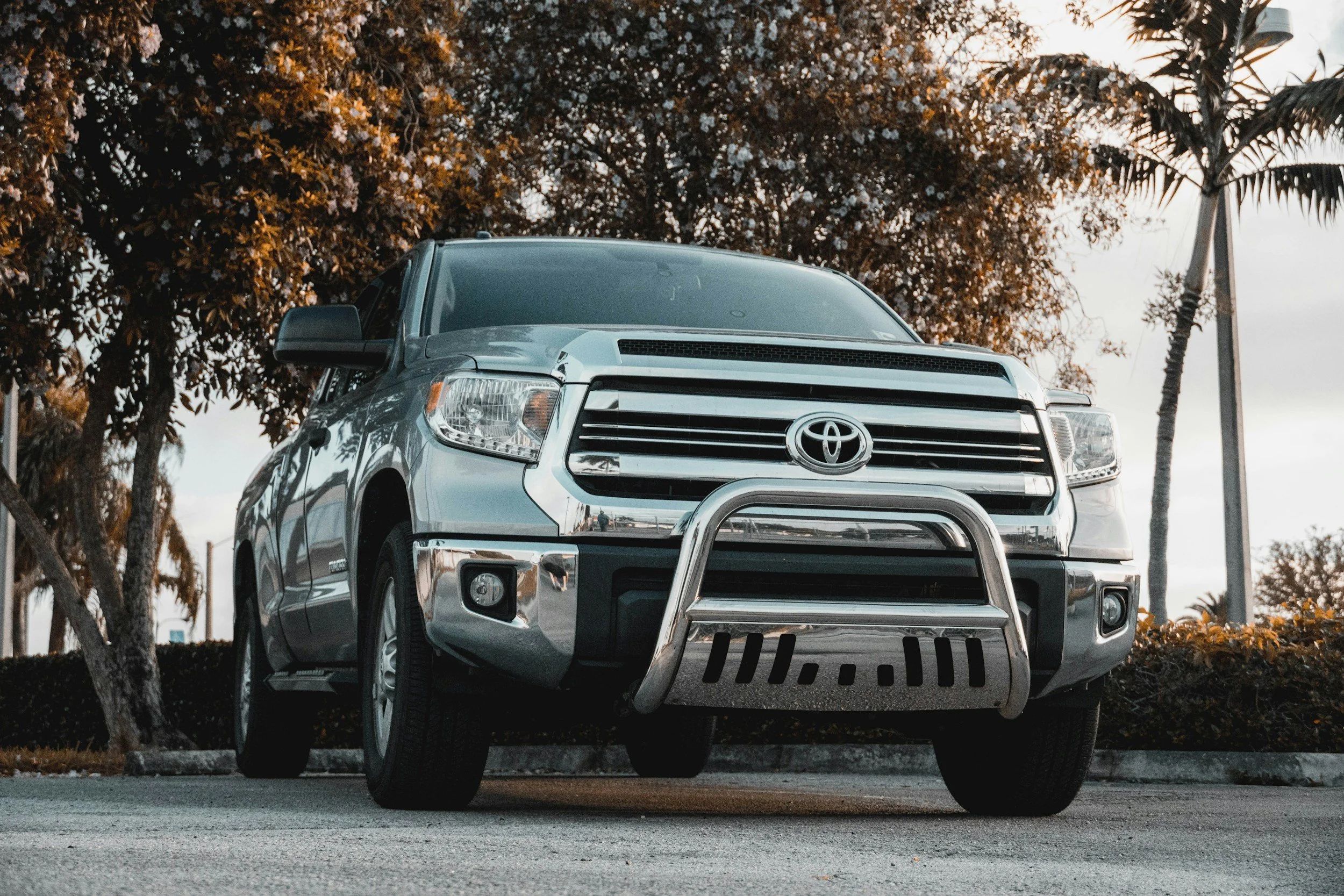
Pickup trucks: cab, bed, drivetrain and towing
Pickups are some of the hardest everyday vehicles to match correctly, because one model name covers many configurations that buyers price very differently. An appraisal for a pickup truck checks:
Cab style
Regular, extended and crew cabs are different trucks to a buyer.
Bed length
Short and long beds suit different uses and draw different demand.
Drivetrain
Four-wheel drive and two-wheel drive versions should not be mixed in the comparables.
Engine
Diesel, larger gas engines and hybrid powertrains change the value.
Towing and payload equipment
Factory tow packages, trailer brake controllers, upgraded axles and heavy-duty suspension matter to buyers who tow.
Work and lifestyle equipment
Bed liners, toppers, racks, toolboxes and running boards. Factory items belong in the description; aftermarket items need receipts and photos, and some policies limit coverage for them.
If your truck carries a lift, aftermarket wheels or other changes, see the modified and custom vehicle page for how an appraisal treats non-factory parts.
SUVs: third rows, four-wheel drive and packages
SUVs raise their own matching questions. A two-row and a three-row version of the same model appeal to different families. A four-wheel-drive or all-wheel-drive SUV and a front-wheel-drive version of the same trim should not be treated as equals. Off-road packages, towing packages, captain’s chairs, rear entertainment and upgraded safety systems all appear in buyers’ searches and listings, so they should appear in the comparables too.
Electric and hybrid vehicles
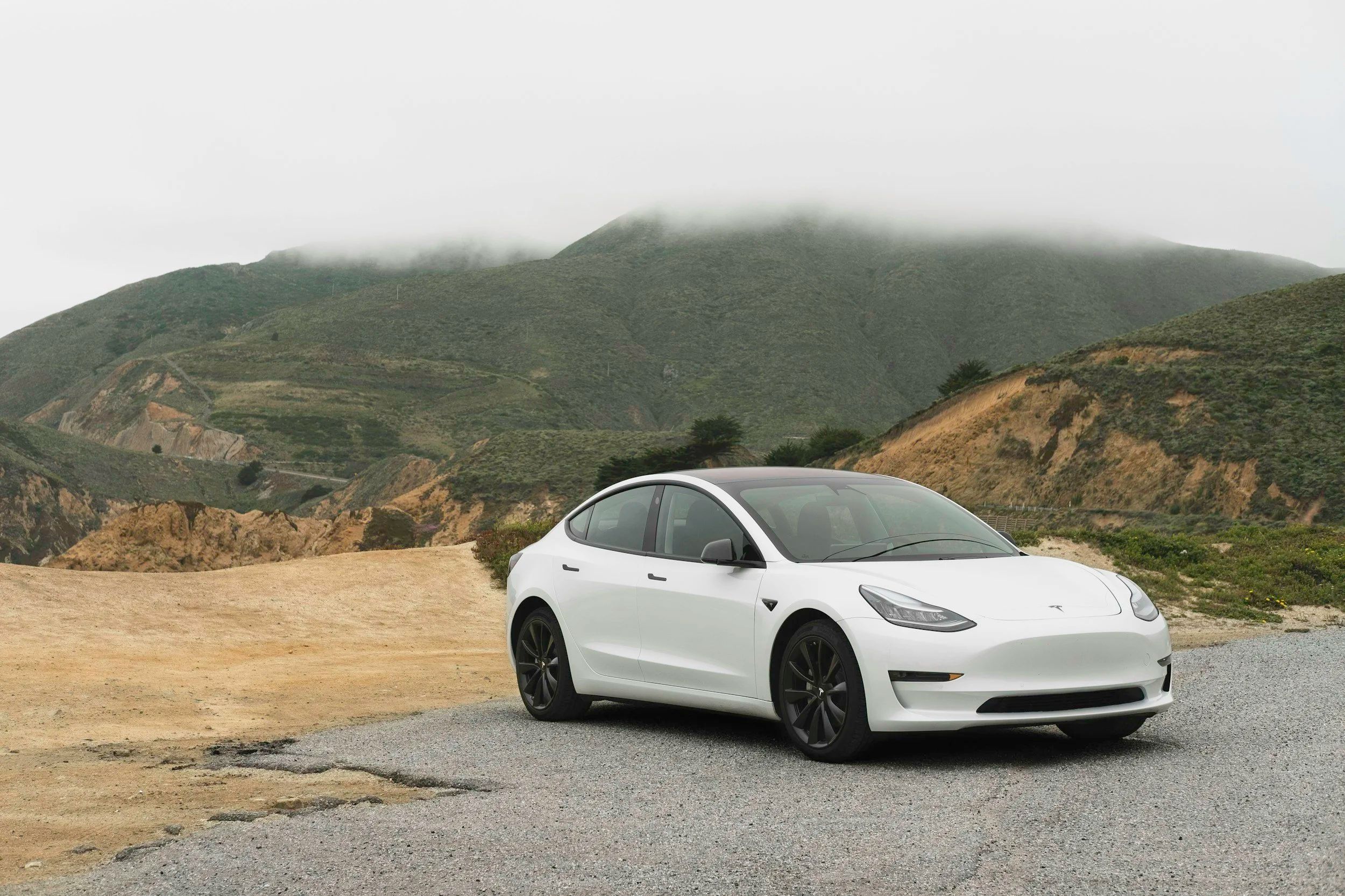
Electric and hybrid cars are valued on the same principles as any other car, with a few details buyers watch closely: driving range, battery condition, charging equipment and the features of each model year. Two similar-looking electric cars from neighboring model years can differ in range and equipment, so the appraisal compares like with like rather than matching on the nameplate alone. ProValue appraises electric cars, including Teslas, often.
Mileage and condition adjustments
Mileage adjustments are normal and usually fair when the comparables are close. Problems start when the comparables carry very different mileage from yours and the adjustment does not fully account for it, or when the adjustment is not explained.
Condition is where many disputes start. Under 10 CCR 2695.8(b)(2), the cost of a comparable automobile shall not include a deduction for the condition of the loss vehicle unless its documented condition is below average for that year, make and model. Prior or unrelated damage may still be deducted. If your report shows a condition deduction, ask what documentation supports it, and send photos and service records that show the real pre-loss condition.
Hypothetical example: a well-kept SUV with 40,000 miles is compared against three listings with 80,000 to 90,000 miles, and the report then applies an extra condition deduction with no photos. Both issues lower the number, and neither reflects the vehicle that was actually lost.
Get started
Have the insurer’s report, your VIN and mileage, and a few photos ready and call (424) 444-3737, open Monday to Saturday, 9 AM to 6 PM. The consultation is free, and fees are agreed before any work begins. For more on value disputes, read about actual cash value.
How ProValue’s appraisal works
What the report contains
- Vehicle identification: year, make, model, trim, VIN and factory options
- Pre-loss condition from inspection, photos and records, with any prior damage noted
- Comparable vehicles with their source, mileage, equipment and location
- Each adjustment, itemized and explained
- The value conclusion, or the diminished value for a repaired vehicle
- Where and why the value differs from the insurer’s report, when you provide it
What to send
0 of 8 ready
Common mistakes everyday vehicle owners make
- Accepting the first offer without reading the full valuation report
- Missing a trim or package error on the first page of the report
- Not asking for the comparables and the reason for each adjustment
- Letting an undocumented condition deduction stand
- Throwing away the window sticker, purchase contract or service records
- Forgetting recent tires, brakes or major service when describing the vehicle
- Assuming aftermarket parts are covered without checking the policy
- Waiting too long and missing a policy deadline
California’s rules for everyday cars
How insurers value them, the local market and what you can do with a report.
How insurers value cars, trucks and SUVs in California
Repair or total: the lesser-of rule
The California Department of Insurance guide So You’ve Had an Accident, What’s Next? says that generally the company will pay the lesser of the amount needed to repair the vehicle or its actual cash value (ACV). The same guide says that unless the policy defines it otherwise, actual cash value in California means fair market value. In practice, the ACV figure drives two decisions at once: whether your vehicle is repaired or totaled, and how much you are paid if it is totaled.
Comparable vehicles under 10 CCR 2695.8(b)
When an insurer settles a total loss in cash, California’s Fair Claims Settlement Practices Regulations base the payment on the cost of a comparable automobile. Under 10 CCR 2695.8(b)(2), a comparable automobile is one of like kind and quality, made by the same manufacturer, of the same or newer model year, of the same model type, of a similar body type, with options and mileage similar to the insured vehicle. Comparables must have been available for retail purchase in the local market area within 90 calendar days of the final settlement offer, and any adjustments must be discernible, measurable, itemized and documented in the claim file.
Most insurers use a valuation report from a vendor such as CCC or Mitchell to meet this standard. The report is only as accurate as the vehicle data entered and the comparables chosen.
Taxes and fees
Under 10 CCR 2695.8(b)(1), a cash settlement includes applicable taxes and one-time fees for transferring ownership of a comparable automobile, plus license and annual fees based on the remaining term of your registration, less any deductible. Check that these lines appear on your settlement.
The Southern California market
ProValue uses valuation software together with location-based analysis of the vehicle’s market. That matters in Southern California, where demand for pickups, hybrids, electric cars and family SUVs can differ from one region to another. California’s regulation looks to the local market area. A report that relies on listings far from where you live, or that misses current local listings for your exact configuration, may not show what it would cost you to replace the vehicle here.
Your options after the report
You submit the report to your insurer with a written request for reconsideration. Under 10 CCR 2695.7(g), one factor in whether an offer is unreasonably low is how far the insurer considered evidence the claimant submitted to support the value. If you and the insurer still disagree, the next steps are yours or your attorney’s to take:
- The policy’s appraisal provision. The CDI accident guide notes most standard policies contain one for total loss disputes. ProValue can serve as your appraiser in that process. See the appraisal clause page.
- The 35-day reopening rule. In a first-party total loss, 10 CCR 2695.8(c) requires the insurer to reopen the claim if you tell it within 35 calendar days that you cannot buy a comparable vehicle for the settlement amount.
- CDI help. Call the Department of Insurance at 1-800-927-4357 or file a complaint through its Getting Help page. For eligible first-party physical damage disputes, the CDI mediation program covers claims over $7,500 where more than $2,000 is in dispute.
- Small claims or an attorney. The California Courts small claims guide explains the limits. For legal questions, talk to a licensed California attorney.
A report does not guarantee that an insurance company will revise its offer. It gives you documented market evidence that may support a request for reconsideration or the appraisal process under your policy.
Questions people ask
How does an insurer decide whether to repair or total a car, pickup or SUV in California?
The California Department of Insurance explains that an insurer generally pays the lesser of the cost to repair the vehicle or its actual cash value. When repairs come close to or pass the vehicle’s value, the insurer usually totals it. That is why an accurate actual cash value matters on both sides of the decision, for an everyday sedan as much as for a work pickup.
What should I do if my insurer valued my SUV as a lower trim than the one I own?
Ask for the full valuation report and compare its trim line and option list with your window sticker or factory build sheet. A lower trim pulls every comparable down with it. An independent appraisal for an SUV documents the correct trim, the factory packages and comparables that match, so you can submit the corrected evidence to your insurer and ask for reconsideration.
Does a pickup truck’s towing package or four-wheel drive change its total loss value?
Yes. Buyers pay for drivetrain, cab and bed configuration, engine choice and factory towing equipment, so a pickup’s comparables should share them. California’s regulation calls for comparables with similar options. If the insurer’s report compares a four-wheel-drive crew cab with two-wheel-drive regular cabs, an appraisal for the pickup documents the mismatch and finds better-matched trucks.
Can an insurer deduct for condition on my everyday car without proof?
Under 10 CCR 2695.8(b)(2), the cost of a comparable automobile shall not include a deduction for the loss vehicle’s condition unless its documented condition is below average for that year, make and model. Prior or unrelated damage may still be deducted. Ask the insurer what documentation supports any condition deduction on your car, and send photos and records of your own.
Is an appraisal worth it for a common commuter car like a sedan or small SUV?
Often, yes. Common cars come in many trims and packages, and valuation software can easily pick the wrong one or use comparables with far more miles. Whether it is worth it depends on how far the offer sits from local listings for your exact vehicle. The free consultation looks at that gap first, so you can decide before paying anything.
How are electric and hybrid cars valued after a total loss?
An electric or hybrid car is valued on the same basis as any car: trim, options, mileage, condition and local comparables. Buyers also look at range, battery condition and charging equipment, and model years can differ in range and features. An appraisal of an electric or hybrid vehicle compares it with vehicles that match those details, not just the same nameplate.
Which documents help most with a car appraisal for insurance in Los Angeles?
The insurer’s valuation report or repair estimate, the VIN, current mileage, the window sticker or build sheet, recent photos, service records and receipts for tires, brakes and upgrades. For a pickup or SUV, photos of the cab, bed, hitch, third row and any accessories help. Missing records can be worked around, but each one you supply makes the report stronger.
Get a value you can stand behind.
Tell us about the vehicle and what the appraisal is for. We tell you honestly what it needs, and there is no upfront cost.
Certified auto appraiser. Free consultation, no upfront cost.
Call Henry
(424) 444-3737- Open Monday to Saturday, 9 AM to 6 PM
- 121 W Lexington Dr, Suite 418B, Glendale, CA 91203
Call Henry
Tell Henry what happened and what the insurer has offered. The consultation is free and there is no upfront cost.
Call (424) 444-3737Open Monday to Saturday, 9 AM to 6 PM
Related appraisals
- Total Loss ValuationThe insurer totaled your car and the offer is too low.
- Diminished ValueYour car was repaired, but its resale value dropped.
- Collision DamageThe repair estimate looks low, or the insurer wants to total it.
- Actual Cash Value (ACV)Prove what your car was really worth on the day of loss.
- Modified and CustomLifted trucks, tuned cars, custom bikes and full builds.
In person near you
We inspect vehicles in person in Los Angeles, Orange, Ventura, San Bernardino, Riverside, San Diego, Santa Barbara, Kern, San Luis Obispo, Tulare, Kings, Fresno and Imperial counties. Each county page lists every city we cover there.
- Los Angeles County
- Orange County
- Ventura County
- San Bernardino County
- Riverside County
- San Diego County
- Santa Barbara County
- Kern County
- San Luis Obispo County
- Tulare County
- Kings County
- Fresno County
- Imperial County
- Glendale
- Long Beach
- Los Angeles
- Pasadena
- Anaheim
- Irvine
- Oxnard
- San Bernardino
- Riverside
- San Diego
- Santa Barbara
- Bakersfield
- All areas we serve
Updated