
Commercial truck appraisal and heavy equipment valuation

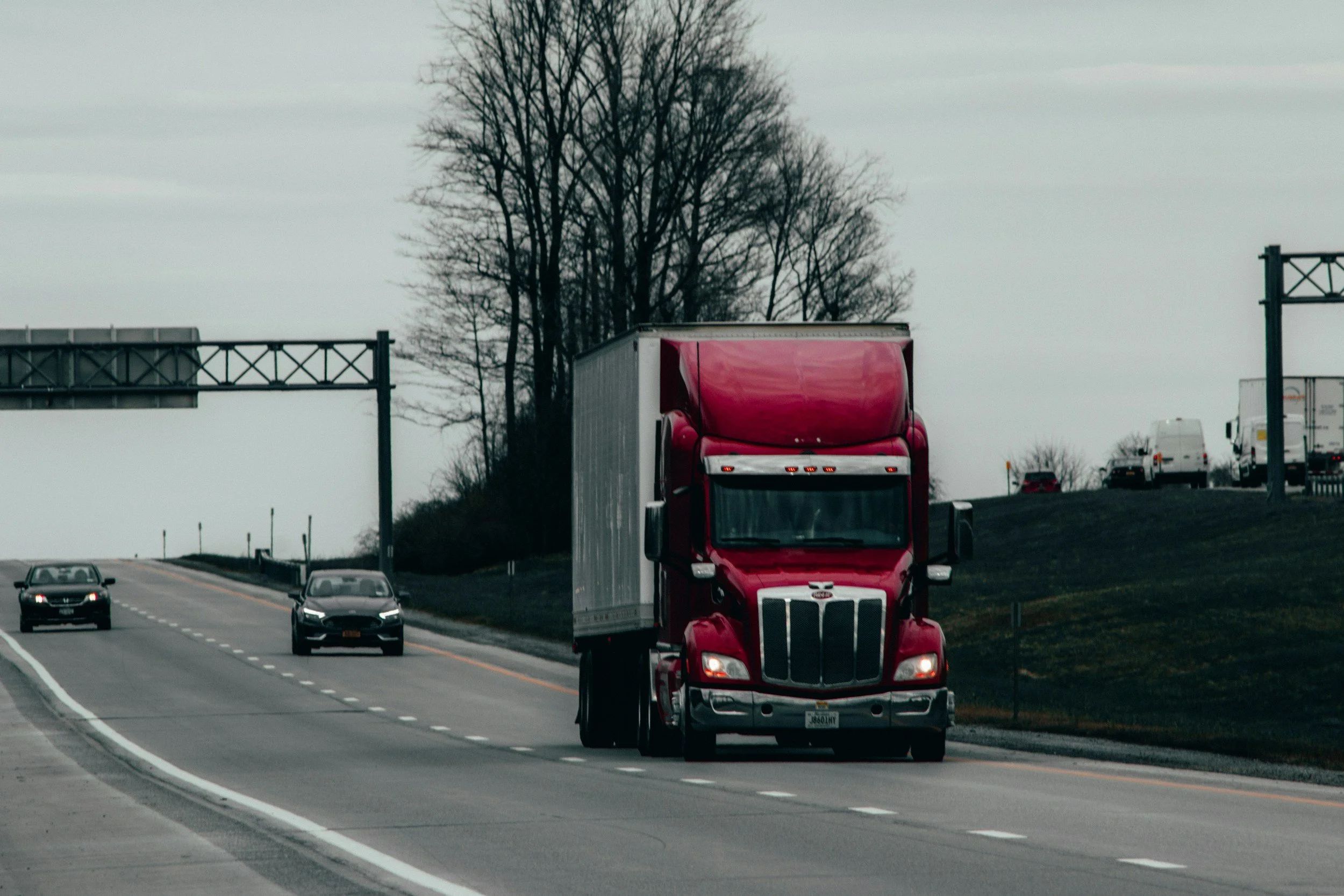
Red semi-truck hauling a box trailer on a multi-lane highway

A commercial truck appraisal values your semi, tow truck, box truck or machine on what actually sets its price, its configuration, hours, miles, upfits and maintenance, not on age alone. ProValue Appraisal serves owner-operators and fleets after damage, theft or a sale, and it matters in California because the CDI’s auto mediation program does not apply to commercial auto coverage.

Certified auto appraiser. Free consultation, no upfront cost.

Equipment
Semis, tow trucks, trailers
Clients
Owner-operators, small fleets
Inspection
In person or virtual
Free consultation
No upfront cost
First step
A free consultation: we tell you honestly whether an appraisal is worth it.
Cost to start
Free consultation, no upfront cost. Pricing is discussed when you call.
How long
Most reports in 2 to 4 business days.
Where
In person in 13 Southern and Central California counties. Online anywhere else in the state.

Commercial truck appraisal for owner-operators and small fleets

A commercial truck is a business asset. When it is damaged, stolen, sold, financed or listed on a balance sheet, its value affects revenue, loan terms and insurance recovery. A commercial truck appraisal is an independent, documented opinion of what one specific truck or machine is worth, or how much value it lost, for a stated purpose.

ProValue Appraisal appraises semi-trucks, tow trucks, box trucks, delivery trucks, tractor trailers, tractors and transportation vans, as well as construction, agricultural and industrial equipment. We work with owner-operators and small fleets, and with construction, agricultural, industrial and transportation companies, in person or virtually. A fleet of units or a single damaged truck can both be appraised.

ProValue is an independent, family-owned appraiser based in Glendale. We write appraisal reports. We do not give legal advice. In an appraisal clause case, Henry reads the insurer’s report and negotiates the value with the insurer’s appraiser.

Why age alone does not value a commercial truck

Commercial vehicles and heavy equipment cannot be valued accurately by age alone. Their condition, operating history, configuration, maintenance, attachments and current market demand all affect value. A general pricing guide built for passenger vehicles does not see most of these, and even commercial pricing sources describe a typical unit, not yours.

What drives a commercial truck’s value

Engine hours and miles

Mileage tells part of the story. Engine hours tell more for trucks that idle, run power take-off equipment or work at low speed, such as tow trucks, refuse trucks and vocational units. The appraisal looks at both, together with engine rebuilds or major overhauls that reset the clock.

Cab type: sleeper or day cab

A sleeper cab and a day cab serve different work. Long-haul operators want sleepers; regional and port drayage work often uses day cabs. Sleeper size and interior equipment also matter. Comparables should share the cab type.

Axle configuration and specification

Single and tandem axle tractors, gross weight ratings, engine and transmission choices, rear axle ratios and suspension type all define what a truck can do. A truck set up for heavy haul is not comparable to one set up for light regional freight.

Upfits and bodies

Many commercial trucks earn their money from what is mounted on the chassis. Tow bodies, rollback carriers, wheel lifts, box bodies, liftgates, refrigeration units, dump bodies and service bodies can carry real value. A commercial truck appraisal records the body or upfit, its make and condition, and finds comparable units with similar equipment.

Maintenance and inspection records

Fleet maintenance records can support a higher value, because they show how the unit was kept. Regular service logs, repair invoices and inspection records, including the periodic safety inspections commercial trucks go through, help establish the truck’s condition before a loss.

Business use and market demand

Commercial use can affect valuation. Demand for a given configuration changes with freight, construction and regional conditions, and the appraisal looks at the market the truck actually sells in.

Key point: Keep body and upfit invoices with the truck’s title file. A wrecker or refrigerated box body can be worth a large share of the unit, and it is easy to leave out of a valuation that only sees the chassis.

Equipment types and what an appraisal checks

Equipment type

Semi-truck (tractor)

Typical purpose
Fleet and individual truck appraisals for insurance claims, sales and financing
Value drivers the appraisal checks
Cab type engine and transmission miles and hours axle setup maintenance history

Tow truck

Typical purpose
Damage assessments, total loss and pre-loss value
Value drivers the appraisal checks
Chassis wrecker or rollback body wheel lift winches hours body condition

Box truck and delivery truck

Typical purpose
Local freight, moving, delivery
Value drivers the appraisal checks
Box length and condition liftgate refrigeration unit chassis miles

Tractor trailer

Typical purpose
Fair market and replacement cost evaluations
Value drivers the appraisal checks
Trailer type length axles suspension tires floor and roof condition

Transportation van

Typical purpose
Passenger or cargo service
Value drivers the appraisal checks
Seating or cargo configuration upfit miles service history

Construction, agricultural and industrial equipment

Typical purpose
Earthmoving, farming, material handling
Value drivers the appraisal checks
Hours attachments undercarriage or tire wear serial numbers maintenance

RVs and motorhomes

Typical purpose
Condition and value reports for insurance
Value drivers the appraisal checks
See the RV and motorhome page

Damage claims, downtime, theft and total loss

Damage and repair

When a commercial truck is damaged, the repair estimate and the truck’s pre-loss value decide what happens next. A collision damage appraisal reviews whether the estimate covers the damage and the correct repair methods, and whether the unit should be repaired or valued as a total loss. ProValue works from the truck itself, the repair shop’s findings and current market data.
Total loss and theft

If the truck is totaled or stolen, the settlement depends on the value assigned to it. A total loss valuation documents the pre-loss value from the truck’s configuration, records and comparable sales. For a stolen unit that cannot be inspected, the value is rebuilt from serial numbers, VIN, photos, maintenance records, purchase documents and upfit invoices.

Diminished value

A commercial truck with an accident history may sell for less than one without it, even after repair. A diminished value appraisal measures that loss, usually for a claim against the at-fault party’s insurer.

Downtime and loss of use

A truck out of service is a truck not earning. Business disruption costs may be part of some claims, but loss of use questions depend on the policy and the claim. ProValue’s report documents value and damage; it does not decide coverage. Ask your agent or insurer what your policy provides, and talk to an attorney about a claim against another party.

The CDI mediation program does not apply to commercial auto

You can still ask the insurer to reconsider, with documented evidence.

California’s Department of Insurance runs an Automobile Claims Mediation Program for personal auto policyholders, but the CDI states it does not apply to commercial auto coverage. A commercial truck owner in a value dispute can still ask the insurer to reconsider with documented evidence, use an appraisal provision if the commercial policy has one, contact the CDI at 1-800-927-4357 or file a complaint through its Getting Help page, or get advice from a licensed California attorney. The California Courts small claims guide notes that businesses have a lower small claims limit than individuals. Those steps are yours or your attorney’s to take.

Get started

Call (424) 444-3737, open Monday to Saturday, 9 AM to 6 PM. The consultation is free, and fees are agreed before any work begins.

Buying, selling, financing and managing equipment

Heavy equipment appraisals help when you buy, sell, finance, insure or manage equipment. Buyers use them to avoid overpaying; sellers use them to avoid underpricing; lenders use them to confirm collateral through a financing appraisal. Businesses also use independent values for financial reporting, asset reviews and risk management. Depreciation and business loss can carry tax consequences, so ask your tax professional how a value will be used before you order the report.

ProValue’s appraisals of heavy equipment can support an insurance matter, a financing decision, a business transaction, an asset review or a legal proceeding.

Southern California freight and equipment

Los Angeles is home to one of the largest ports on the West Coast, and the freight moving through the Port of Los Angeles keeps semi-trucks, drayage tractors, box trucks and tow trucks busy across the region’s freeways. Construction and agricultural work across Los Angeles, Orange, Ventura and San Bernardino counties adds machinery to the mix. That traffic means damage, and it also means an active local market for used commercial units, which the appraisal uses for comparables.

How a commercial truck appraisal works

  1. Free consultation

    You describe the truck or machine, the loss or transaction, and share any insurer valuation or estimate.

  2. Scope of work

    We agree what the assignment needs and the fee before work begins.

  3. Inspection and data collection

    We assess the equipment’s condition and specifications in person, or review detailed photographs, serial numbers and maintenance documents.

  4. Market research and valuation

    We analyze market data, comparable sales and depreciation trends for units of the same type and configuration.

  5. Detailed reporting

    The report sets out condition, market evidence, depreciation, comparable values and the value conclusion. Most reports are completed within 2 to 4 business days.

  6. Claim support

    You submit the report to the insurer, lender or other party. If you have questions about the report, we explain our findings to you in writing.

What to send for a commercial truck appraisal

Common mistakes commercial truck owners make

  • Accepting a value based on the chassis while the body or upfit is left out
  • Letting a sleeper be compared with day cabs, or a tandem with single axles
  • Keeping maintenance records scattered across shops instead of in one file
  • Assuming the CDI mediation program applies to a commercial policy
  • Assuming downtime is covered without reading the policy
  • Waiting to photograph the truck until after it has been moved or repaired

Get a value you can stand behind.

Tell us about the vehicle and what the appraisal is for. We tell you honestly what it needs, and there is no upfront cost.

Certified auto appraiser. Free consultation, no upfront cost.

Call Henry

(424) 444-3737

Call Henry

Tell Henry what happened and what the insurer has offered. The consultation is free and there is no upfront cost.

Call (424) 444-3737

Open Monday to Saturday, 9 AM to 6 PM

Questions people ask

Can a commercial truck owner use the CDI auto mediation program for a damage dispute?

No. The California Department of Insurance says its Automobile Claims Mediation Program is for personal auto policyholders and does not apply to commercial auto coverage. A commercial truck owner in a value dispute still has other routes: the insurer’s reconsideration, any appraisal provision in the commercial policy, the CDI’s general help line and complaint process, or an attorney.

What makes one semi-truck worth more than another of the same year and model?

Engine hours and miles, sleeper or day cab, axle configuration, engine and transmission specification, maintenance history and the market’s current demand for that setup. Two tractors from the same year can differ widely. A commercial truck appraisal compares your unit with trucks that share its configuration and documents how each difference was weighed.

How is a tow truck or box truck body valued in an appraisal?

The body or upfit is valued together with the chassis it sits on. Wreckers, rollback carriers, box bodies, liftgates and refrigeration units add value that a chassis-only pricing guide may miss. A tow truck or box truck appraisal records the body type, its condition and make, and finds comparable units with similar equipment in the current market.

Is downtime covered when a commercial truck is out of service after a crash?

Loss of use questions depend on the policy and the claim. Some commercial policies and some third-party claims address downtime, and others do not. A commercial truck appraisal documents the truck’s value and damage; it does not decide coverage. Ask your agent or insurer what your policy provides, and talk to an attorney for advice on a claim against another party.

Which records help most with a commercial truck appraisal after a loss?

Maintenance and repair records, the engine control module’s hours and mileage if available, inspection records, the purchase invoice, upfit and body invoices, photos of the truck before and after the loss, serial numbers for attachments, and the insurer’s valuation or estimate. Fleet maintenance records can support a stronger value because they show how the unit was kept.

Can heavy equipment like construction or farm machinery be appraised virtually?

Often, yes. Depending on the assignment, a heavy equipment appraisal may rely on detailed photographs, serial numbers, maintenance documentation and relevant sales data instead of an on-site visit. Damage claims, disputed values and specialized machines may still need an in-person inspection. The free consultation sets the right approach before any work starts.

In person near you

We inspect vehicles in person in Los Angeles, Orange, Ventura, San Bernardino, Riverside, San Diego, Santa Barbara, Kern, San Luis Obispo, Tulare, Kings, Fresno and Imperial counties. Each county page lists every city we cover there.

Updated

Call nowFree consultation