
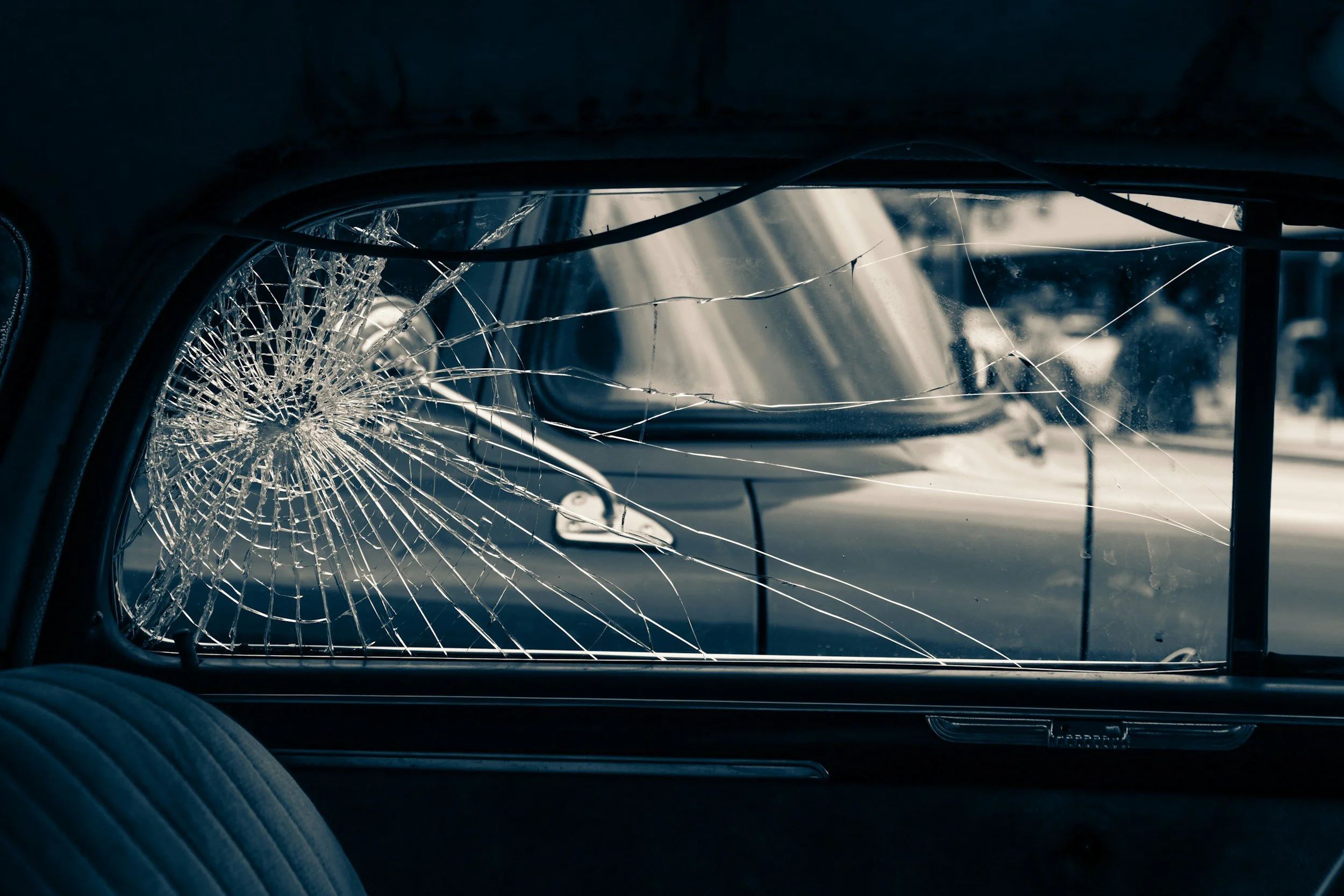
Stolen car appraisal and vandalism claims in California
A stolen car appraisal rebuilds the vehicle you actually owned from records, photos and market evidence, for owners whose car was never recovered or came back stripped or vandalized. When a California insurer pays cash for an unrecovered theft, the total loss rules in 10 CCR 2695.8(b) apply, and ProValue Appraisal completes most reports in 2 to 4 business days.
Certified auto appraiser. Free consultation, no upfront cost.
- Who usually pays
- Your comprehensive coverage, less your deductible.
- Cost to start
- Free consultation, no upfront cost. Pricing is discussed when you call.
- How long
- Most reports in 2 to 4 business days.
- If the offer stays low
- You or your attorney can ask for reconsideration in writing, use the 35-day reopen notice, or invoke the appraisal provision.
- Covers
- Theft, stripping, vandalism
- Coverage that usually pays
- Comprehensive
- Report turnaround
- Most in 2 to 4 business days
- Free consultation
- No upfront cost
What a stolen car appraisal answers
A stolen car appraisal answers one question: what was this specific vehicle worth immediately before it was taken? When a car is stolen and never recovered, that question decides the size of your check, and it is harder to answer than in any other claim, because nobody can look at the car.
The insurer’s valuation still has to describe a vehicle. Without an inspection, it often describes a typical one: average condition, standard equipment, the mileage the system expects for the model year. If your car was cleaner, better equipped or lower in mileage than that typical car, the gap comes out of your settlement.
How the appraisal closes that gap
ProValue’s stolen vehicle valuations close that gap with evidence. The appraisal rebuilds the pre-theft vehicle from the VIN, factory build information, photographs, mileage records, service history, purchase documents and receipts for documented upgrades. Relevant market data is then used to estimate what a comparable vehicle would have been worth immediately before the loss. The quality of your documentation makes a meaningful difference: clear photos help establish condition, and service records and receipts confirm maintenance and equipment that a standard vehicle description leaves out.
Key point: Insurance coverage and settlement terms always depend on your policy. A stolen car appraisal does not change the policy. It gives you a reasoned, documented opinion of value that you can submit with your claim.
Theft and vandalism situations this page covers
Theft and vandalism are both damage and value questions. The appraisal fits the situation, not the other way around.
Unrecovered theft
The car, truck, SUV, motorcycle, classic or specialty vehicle was stolen and never found. The claim is valued as a total loss, so the work is a full pre-loss valuation built from records.
Recovered with damage
Police find the vehicle, but it was crashed, burned, stripped of wheels or seats, or had its ignition and steering column broken. Now the questions are the repair cost, whether the car is a total loss, and what it is worth after repair.
Parts taken from a parked car
Wheels, tires, a catalytic converter or interior parts were removed, often with damage done in the process. That is usually a repair estimate question.
Vandalism
Keyed paint, broken glass, slashed tires, spray paint, a cut convertible top or deliberate body damage. Vandalism is handled as a damage claim: what will the repair cost, is the car a total loss, and how much market value does the repaired car keep.
ProValue values cars, trucks and SUVs, motorcycles, classic cars, exotics, RVs and commercial vehicles. If your car was heavily modified, see our modified and custom vehicle appraisals as well.
How an insurer handles an unrecovered theft in California
First
Report the theft to the police, get the report number, and give it to your insurer with your claim.
48 hours
After the theft: transportation coverage usually begins, if your policy has it.
15 days
After notice of the claim: the insurer must acknowledge it, send forms and begin any investigation.
40 days
After proof of claim: accept or deny, or tell you in writing that it needs more time.
30 days
After it accepts the claim and has any release it needs: payment.
35 days
After payment or the final offer: your time to say you cannot buy a comparable car for the gross settlement.
Comprehensive coverage is what usually pays
The California Department of Insurance auto glossary defines comprehensive coverage as paying “for damage to your car caused by reason other than collision, such as fire, theft, vandalism, windstorm, flood”. If you carried comprehensive coverage when the car was stolen or vandalized, that is the part of your policy the claim runs under, subject to your deductible. Collision coverage pays for contact with another vehicle or object, so it is usually not the coverage for a theft.
The police report is your proof of claim
The CDI guide So You’ve Had an Accident, What’s Next? lists a “police report indicating theft of your vehicle” as an example of proof of claim. Report the theft to the police first, get the report number, and give it to your insurer with your claim.
The deadlines that start with proof of claim
Proof of claim starts the clock on the insurer’s duties. Under 10 CCR 2695.5(e), within 15 calendar days of notice of a claim the insurer must acknowledge it, provide forms and instructions, and begin any necessary investigation. Under 10 CCR 2695.7(b), once it receives proof of claim the insurer must accept or deny the claim, in whole or in part, immediately and in no event more than 40 calendar days later. If it needs more time, it must tell you in writing within that period and then every 30 calendar days. Once it accepts the claim and has any release it needs, 2695.7(h) requires payment within 30 calendar days.
Transportation coverage usually starts 48 hours after the theft
Some policies pay transportation expenses after a theft. The CDI says “This type of coverage usually begins 48 hours after the theft and ends when your vehicle is recovered, the loss is paid or after a specified period, whichever comes first.” Check your declarations page for this coverage and keep receipts for rentals or rides.
An unrecovered theft is valued as a total loss
When the car is not recovered and the insurer pays cash for it, the settlement is a total loss settlement, so the California rules in 10 CCR 2695.8(b) apply to how the number is built:
The comparable car rules, one by one
- The cash settlement is based on the actual cost of a “comparable automobile” less your deductible, and it must include applicable taxes and one-time fees to transfer ownership of a comparable car, plus the license fee and other annual fees for the remaining term of your current registration.
- A comparable automobile is one “of like kind and quality, made by the same manufacturer, of the same or newer model year, of the same model type, of a similar body type, with options and mileage similar to the insured vehicle.”
- Comparables must have been available for retail purchase by the public in your local market area within 90 calendar days of the final settlement offer, and must be identified by VIN, dealer stock number or plate where available, with the seller’s phone number or street address.
- Any adjustment from a comparable’s price must be “discernible, measurable, itemized, and specified as well as appropriate in dollar amount”. Deductions that cannot be supported shall not be used.
- The cost of a comparable “shall not include any deduction for the condition of a loss vehicle unless the documented condition of the loss vehicle is below average for that particular year, make and model”.
That last rule matters in a theft claim. The insurer never saw your car, so any condition deduction should rest on documentation. Your photos and records are the documentation that shows the car was not below average.
Do not rely on a fixed waiting period you heard about from a friend. Ask your insurer in writing how it handles your theft claim and what happens if the car turns up later. Under 10 CCR 2695.4(a), an insurer must disclose to a first-party claimant all benefits, coverage, time limits or other policy provisions that may apply to the claim.
Where stolen car valuations go wrong
A valuation report for a missing car is only as good as the data typed into it. These are the gaps a stolen car appraisal checks first.
- What the insurer can see without the carThe VIN, which decodes the model year, make, model and often the base trim
- What you must prove for an unrecovered carThe exact trim, factory option packages and color, shown on the window sticker, build sheet or purchase contract
- What the insurer can see without the carAn estimated mileage for the car’s age
- What you must prove for an unrecovered carThe real odometer reading, shown by recent service invoices, smog records or dated photos of the dash
- What the insurer can see without the carA default condition rating
- What you must prove for an unrecovered carActual condition before the theft, shown by recent photos of the paint, wheels, seats and dashboard
- What the insurer can see without the carFactory equipment only
- What you must prove for an unrecovered carAftermarket wheels, audio, racks, lift kits or performance parts, shown by receipts and photos (and any endorsement limit)
- What the insurer can see without the carComparables from a database search
- What you must prove for an unrecovered carComparables that truly match your trim, mileage and equipment in your local market
- What the insurer can see without the carNothing about recent work
- What you must prove for an unrecovered carNew tires, a new battery, major repairs or recent paint, shown by invoices
A lower trim, significantly higher mileage, missing equipment or a different market area can each make a comparable a poor match. When several of those problems stack up, the report values a more generic car than the one you owned. The free total loss offer checker walks through the same comparable rules one question at a time.
Hypothetical example: a missing trim package
Hypothetical example, round numbers for illustration only. An owner’s SUV is stolen and never found. The insurer’s report decodes the VIN as the base trim, assumes average mileage for its age, and lists comparables averaging $20,000.
With the owner’s records
Insurer’s report: comparables averaging $20,000. Hypothetical, round numbers.
The owner still has the window sticker in an email, showing a premium trim with a technology package. Service invoices show lower mileage than the report assumed, and phone photos from the month before the theft show clean paint and seats. Comparable vehicles of that trim, with similar mileage, listed in the owner’s local market average $24,000.
The $4,000 gap in this example comes entirely from facts the insurer could not see without help. Whether an insurer revises its offer is never certain: a report “does not guarantee that an insurance company will revise its offer.” It gives the owner documented market evidence to support a request for reconsideration, or the appraisal process under the policy.
What can you still find about your car?
Start with what you have. Henry will tell you whether an appraisal is likely to help.
When a stolen car comes back damaged or stripped
A recovered car becomes a damage claim. The CDI says that generally “the company will pay the lesser of the following: The amount necessary to repair the vehicle or The actual cash value (ACV) of the vehicle.” So a recovered car can go either way: repaired, or totaled because repairs would cost too much compared with its value.
Checking the repair estimate
What the estimate must allow
If the insurer settles on its own estimate, 10 CCR 2695.8(f) requires it to give you a copy, and the estimate must allow repairs “in accordance with accepted trade standards for good and workmanlike automotive repairs”. If you get a written estimate showing the repair will cost more, the insurer must pay the difference, name a shop that will do the work for its estimate, or reasonably adjust your shop’s estimate with an itemized copy. Under Insurance Code 758.5, an insurer may not require repairs at a specific shop. Recovered theft cars often hide damage: a broken steering column, a forced ignition, missing interior trim, wiring cut under the dash. Photograph everything before any work starts. Our collision damage appraisal page covers estimate disputes in more detail.
Repair or total loss
If the repair cost approaches the car’s value, the claim turns into a total loss valuation, and every rule above applies again. See our total loss appraisal and actual cash value pages.
Value after a vandalism or theft repair
Lost value after the repair
Deliberate damage that needs major panel or paint work can leave a repaired car worth less than an undamaged one, because buyers react to the history. Your own policy’s promise, as the CDI describes it, is the lesser of the repair cost or ACV, which does not mention lost market value, so read your policy. If the person responsible is identified, an attorney can tell you whether lost value can be part of a claim against that person. California’s general measure of damages for a wrong, under Civil Code 3333, is the amount that compensates for all the detriment it caused. For smaller amounts, the California courts’ small claims guide says an individual can generally sue for up to $12,500. Our diminished value appraisal measures that loss.
Start your stolen car appraisal
Your free consultation is the first step. Have the police report number, the claim number, your VIN and whatever photos and records you can find, plus the insurer’s valuation report if you already have it. ProValue will tell you whether an appraisal is likely to help, agree on the fee before any work begins, and in most cases deliver the report within 2 to 4 business days.
Call (424) 444-3737, open Monday to Saturday, 9 AM to 6 PM, or request your free consultation. In-person inspections of recovered or vandalized vehicles are available in 13 counties, from San Diego and Imperial up to Santa Barbara, San Luis Obispo and Fresno, and unrecovered vehicles can be valued from records wherever you are.

Free consultation
You explain what happened and what the insurer has said so far. ProValue looks at the intended use of the valuation and the evidence you have, and tells you whether an appraisal is likely to help.
Scope and fee
The scope of work and the fee are agreed before any work begins, so you know what will be reviewed and how the value will be developed.
Rebuilding the vehicle
The VIN and factory build information establish the starting point. Photos, service records, purchase documents and receipts add condition, mileage and equipment.
Reviewing the insurer’s report
If you have the insurer’s valuation (for example a CCC or Mitchell report), ProValue checks the trim, factory equipment, mileage, condition adjustments and whether each comparable really matches.
Market research
Comparable vehicles in your local market that match the documented car are researched and adjusted.
The report
Most reports are completed within 2 to 4 business days. The report explains how the value was developed rather than giving an unexplained number.
After delivery
You submit the report to your insurer. If you have questions about the report, ProValue explains its findings to you in writing.
ProValue stays in touch with you, and with your attorney or other representative if you have one, during the work. If anything was missed, the appraisers go back and fix it.
Checklist: what to gather now
Start this list the day the car goes missing. Records are easier to collect before memories and email inboxes fade.
0 of 9 ready
Equipment, loans and a low offer
What else decides the check, and what you can do if it still looks low.
Aftermarket equipment on a stolen car
The CDI says standard policies usually give no or limited coverage for non-factory equipment, such as an aftermarket stereo, tires and wheels, unless extra coverage was bought. The CDI glossary describes an “Additional Equipment Endorsement” that covers parts and equipment not installed by the manufacturer, “subject to a maximum limit listed on the endorsement.”
Two practical points follow. First, find out whether you have that endorsement and what its limit is. Second, the market value of a vehicle can still reflect equipment buyers pay for, and that contribution must be supported by market behavior, not by what the parts cost. Receipts and clear photos are the only way to show the equipment was on the car.
Financed or leased: the loan balance and gap
The CDI is direct: “The borrower is responsible for the balance of the loan, even if the vehicle is stolen or damaged beyond repair.” Gap insurance can usually be bought to protect against that difference. The CDI glossary describes loan gap coverage as paying “the difference between the fair market value of your vehicle and the loan balance owed to your lender,” and notes it is “available on new vehicles only.”
Keep making loan or lease payments while the theft claim is open. If you have gap coverage, tell that provider when the theft claim is filed. An accurate fair market value matters here too, because any gap calculation starts from the settlement figure.
What goes into a stolen car appraisal report
- Vehicle identification: year, make, model, trim, VIN and the factory equipment decoded from build information
- The documented pre-theft condition, mileage and equipment, with the evidence behind each
- Documented upgrades and recent work, with receipts
- Comparable vehicles from the relevant local market, with the adjustments explained
- Where you have it, a line-by-line review of the insurer’s valuation report
- The appraised market value immediately before the loss, and how it was developed
- Delivery as a signed report you can submit to your insurer or give to your attorney
Your options if the offer still looks low
ProValue writes appraisal reports. It does not act as a public adjuster or give legal advice. In an appraisal clause case, Henry reads the insurer’s report and negotiates the value with the insurer’s appraiser. These steps are taken by you or your attorney:
- Ask for reconsideration. Submit the stolen car appraisal and ask the insurer, in writing, to explain any difference. Under 2695.7(g), one factor in whether an offer is unreasonably low is “the extent to which the insurer considered evidence submitted by the claimant to support the value of the claim.”
- Use the 35-day reopen notice. Under 10 CCR 2695.8(c), in a first-party total loss, if you tell the insurer within 35 calendar days of the payment or final offer that you cannot buy a comparable car for the gross settlement, it must reopen the file and locate a comparable, pay the difference on one you found, or invoke the policy’s appraisal provision.
- Invoke the appraisal provision. The CDI says most standard policies contain one. Either side can demand it, each picks a competent appraiser, the appraisers pick a neutral umpire, and an amount any two agree on is binding. ProValue can serve as your appraiser. See appraisal clause disputes.
- Contact the CDI. The California Department of Insurance answers questions at 1-800-927-4357 and takes complaints online.
- Request CDI mediation. The Automobile Claims Mediation Program covers personal auto policyholders with comprehensive or collision coverage, for disputes where the overall claim exceeds $7,500 and the amount in dispute exceeds $2,000. “Value of Total Loss” is an eligible issue. You first file a Request for Assistance and the insurer gets 28 calendar days. Mediation costs you nothing and is non-binding.
- Talk to an attorney. A licensed California attorney can advise on coverage questions, deadlines and anything beyond value.
Mistakes that lower a stolen car settlement
- Waiting to report. Report the theft to the police and your insurer right away.
- Assuming the insurer knows your trim and options. A VIN does not always show packages or dealer-installed equipment. Send the window sticker or purchase contract.
- Letting mileage be estimated. Send the latest dated service or smog record.
- Forgetting old photos. Search your phone, cloud backups and social media for pictures of the car.
- Accepting a condition deduction without asking for its documentation. California requires documented below-average condition before a comparable’s cost is reduced for condition.
- Missing the 35-day window. If you cannot find a comparable car for the settlement, say so in writing in time.
- Stopping loan payments. You still owe the lender while the claim is open.
- Repairing a recovered car before photographing it. Damage that is fixed before it is documented is hard to prove.
Find out what your vehicle is really worth.
Tell us what happened. We review your situation for free and tell you honestly whether an appraisal is worth it before you pay anything.
Certified auto appraiser. Free consultation, no upfront cost.
Call Henry
(424) 444-3737- Open Monday to Saturday, 9 AM to 6 PM
- 121 W Lexington Dr, Suite 418B, Glendale, CA 91203
Call Henry
Tell Henry what happened and what the insurer has offered. The consultation is free and there is no upfront cost.
Call (424) 444-3737Open Monday to Saturday, 9 AM to 6 PM
Questions people ask
How is a stolen car appraisal done when the car was never recovered?
A stolen car appraisal rebuilds the vehicle from evidence instead of an inspection. The appraiser decodes the VIN and factory build information, then confirms condition, mileage and equipment from your photos, service history, purchase documents and upgrade receipts. Local comparable vehicles that match that documented car are then used to develop an opinion of what it was worth immediately before the theft.
Do California’s comparable vehicle rules apply to an unrecovered stolen car settlement?
When an insurer settles an unrecovered theft as a total loss with cash, 10 CCR 2695.8(b) governs the calculation. The settlement is based on the cost of a comparable automobile of like kind and quality, with similar options and mileage, available in your local market within 90 days of the final offer, plus applicable taxes and transfer fees, less any deductible.
When does rental or transportation coverage start after a car theft in California?
If your policy includes transportation expenses for theft, the California Department of Insurance says this coverage usually begins 48 hours after the theft. It ends when the vehicle is recovered, the loss is paid, or a specified period passes, whichever comes first. Check your declarations page and ask your adjuster in writing what limits apply to your claim.
What if the settlement for my stolen car is less than my loan balance?
The California Department of Insurance says the borrower is responsible for the loan balance even if the vehicle is stolen or damaged beyond repair. Loan gap coverage, described by the CDI as available on new vehicles only, pays the difference between fair market value and the loan balance. Keep making payments while the theft claim is open and tell any gap provider promptly.
Are aftermarket wheels, audio and accessories on a stolen car covered?
Often only partly. The California Department of Insurance says standard policies usually provide no or limited coverage for non-factory equipment such as aftermarket stereos, tires and wheels unless you bought extra coverage. An Additional Equipment Endorsement covers such parts up to a maximum limit listed on the endorsement. Receipts and photos prove what was installed on the stolen car.
How is vandalism damage to a car valued for an insurance claim?
Vandalism falls under comprehensive coverage, and the CDI says insurers generally pay the lesser of the repair cost or the vehicle’s actual cash value. So the first question is the full repair estimate. If repairs approach the car’s value, the claim becomes a total loss valuation. An appraisal can document the damage, the pre-loss value, or both.
Can I reopen my stolen car claim if I cannot buy a comparable car for the settlement?
For a first-party total loss, which includes an unrecovered theft settled with cash, 10 CCR 2695.8(c) says you can tell the insurer within 35 calendar days of the payment or final offer that you cannot buy a comparable car for the gross settlement. The insurer must then reopen the file and find one, pay the difference, or invoke the policy’s appraisal provision.
What can I do if the insurer’s stolen car offer still looks low after an appraisal?
You or your attorney can submit the stolen car appraisal and ask the insurer to reconsider, invoke the policy’s appraisal provision if it has one, call the California Department of Insurance at 1-800-927-4357 or file a complaint, and, for eligible disputes, request free CDI mediation. ProValue writes the report; it does not give legal advice. In an appraisal clause case, Henry reads the insurer’s report and negotiates the value with the insurer’s appraiser.
Related appraisals
- Total Loss ValuationThe insurer totaled your car and the offer is too low.
- Actual Cash Value (ACV)Prove what your car was really worth on the day of loss.
- Diminished ValueYour car was repaired, but its resale value dropped.
- Appraisal ClauseInvoke your policy’s appraisal clause to settle the value.
- Modified and CustomLifted trucks, tuned cars, custom bikes and full builds.
In person near you
We inspect vehicles in person in Los Angeles, Orange, Ventura, San Bernardino, Riverside, San Diego, Santa Barbara, Kern, San Luis Obispo, Tulare, Kings, Fresno and Imperial counties. Each county page lists every city we cover there.
- Los Angeles County
- Orange County
- Ventura County
- San Bernardino County
- Riverside County
- San Diego County
- Santa Barbara County
- Kern County
- San Luis Obispo County
- Tulare County
- Kings County
- Fresno County
- Imperial County
- Glendale
- Long Beach
- Los Angeles
- Pasadena
- Anaheim
- Irvine
- Oxnard
- San Bernardino
- Riverside
- San Diego
- Santa Barbara
- Bakersfield
- All areas we serve
Updated