
Vehicle loan appraisal that shows a lender what your vehicle is worth
A vehicle loan appraisal documents the market value of a car, RV, motorcycle or piece of equipment for a lender, so a loan request rests on evidence instead of a guess. It suits classic, exotic and commercial vehicles that pricing guides miss, and ProValue Appraisal inspects in person in 13 Southern and Central California counties.
Certified auto appraiser. Free consultation, no upfront cost.
Ask your lender these questions first
Before ordering any vehicle loan appraisal, ask the lender:
Tick the ones answered
Bring the answers to your free consultation. The scope of work is set before the appraisal begins, so the report can be built around what the lender asked for.
- Used for
- Purchase loans, refinancing
- Vehicles
- Classics, exotics, RVs
- Report turnaround
- Most in 2 to 4 business days
- Free consultation
- No upfront cost
- First step
- A free consultation: we tell you honestly whether an appraisal is worth it.
- Cost to start
- Free consultation, no upfront cost. Pricing is discussed when you call.
- How long
- Most reports in 2 to 4 business days.
- Where
- In person in 13 Southern and Central California counties. Online anywhere else in the state.
Financing situations compared
Purchase loan
- What the lender is deciding
- Whether the price is supported by market value
- What the appraisal documents
- Market value of the vehicle being bought
- Typical evidence
- Listing, VIN, inspection or seller’s photos, comparables
Refinance
- What the lender is deciding
- What the vehicle is worth today
- What the appraisal documents
- Current market value and condition
- Typical evidence
- Inspection or current photos, mileage, service records
Collateral loan on a vehicle you own
- What the lender is deciding
- How much the vehicle can secure
- What the appraisal documents
- Current market value, condition, originality
- Typical evidence
- Inspection, restoration records, provenance, comparables
Equipment financing
- What the lender is deciding
- Value of a business asset
- What the appraisal documents
- Value by configuration, hours or mileage, attachments
- Typical evidence
- Serial numbers, maintenance logs, sales data
Hypothetical example: a classic as collateral
Hypothetical example, round numbers for illustration only. An owner wants to borrow against a 1955 Chevrolet Bel Air. The bank asks for an appraisal. The owner thinks the car is worth $50,000 based on an online price guide.
The appraiser inspects the car, documents a quality older restoration with a few non-original parts, reviews the restoration receipts and finds comparable cars in similar condition selling around $45,000. The report explains each comparable and adjustment. The bank now has a documented value to measure the loan request against, and the owner knows the realistic number before signing anything. Whether and how much the bank lends is the bank’s decision.
Know the number before you sign anything.
What lenders look at in general
Lenders differ, but most weigh a few common things.
Value compared with the loan amount
The lender wants the vehicle’s documented market value to support the amount you want to borrow. If the value comes in lower than expected, the loan amount, down payment or terms may change.
Condition
A well-kept vehicle holds its value as collateral better than one with damage, deferred maintenance or heavy wear. The appraisal documents condition with photos and notes.
Title status
A clean title, a branded title and an existing lien all matter. The appraisal reports what the documents show.
How well the value is supported
A number with comparable sales and clear adjustments behind it is easier for a lender to rely on than an unexplained figure.
When a lender wants an appraisal
Classic and collector cars
Most banking institutions ask for an appraisal before lending on a classic car, or obtain one themselves. See classic car appraisals.
Exotic and luxury vehicles
High prices and thin markets make an independent value important. ProValue works with banks and individuals on exotic appraisals for financing. See exotic car appraisals.
Custom and modified vehicles
Modifications can add value, but only what the market supports, not what the parts cost. See modified and custom vehicle appraisals.
RVs and motorhomes
Most lenders require an appraisal to verify an RV’s actual worth before approving a loan. See RV appraisals.
Motorcycles
ProValue prepares financing appraisals that give lenders a documented value for loan considerations. See motorcycle appraisals.
Commercial trucks and equipment
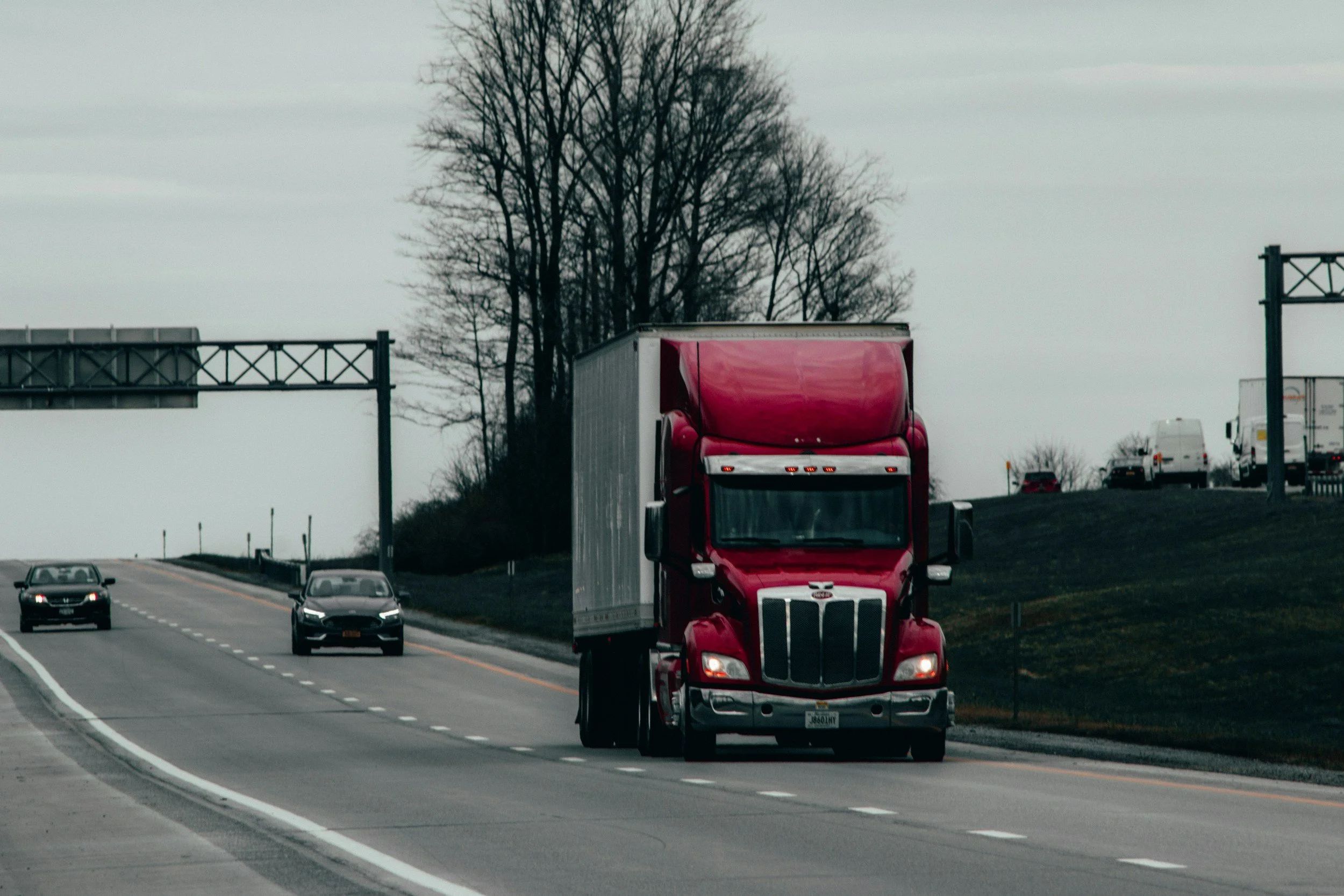
Semi-trucks, box trucks, tow trucks, tractors and construction, agricultural and industrial equipment. See heavy equipment appraisals.
Private-party purchases
Without a dealer invoice, the lender may want independent support for the price.
Refinancing
A new lender wants to know the vehicle’s current value, not the value when you bought it.
Borrowing against a vehicle you own
When a vehicle is collateral for a loan, its value is the lender’s security.
How a ProValue financing appraisal works
For the lender’s file
What goes into a vehicle loan appraisal report
- Vehicle identification: year, make, model, trim, VIN or serial number
- Documented condition, mileage or hours, and equipment, with photos
- Originality, restoration work, modifications or attachments, with supporting records
- Title status as shown by the documents provided
- Comparable market evidence and how each comparable was adjusted
- The appraised market value and how it was developed
- The report’s intended use and the party it was prepared for
Start your vehicle loan appraisal
Call (424) 444-3737, open Monday to Saturday, 9 AM to 6 PM, or request your free consultation. Have your lender’s requirements, the VIN and the loan type ready, and we will set the scope of work around them.
Mistakes to avoid
Ordering before asking the lender
A report that does not fit the lender’s requirements may have to be redone.
Expecting a target number
An appraisal reports market value; it is not built to reach a loan amount.
Relying on online price guides for a special vehicle
Guides rarely capture originality, restoration quality or rare options.
Ignoring the title
A salvage history affects value and lending.
Leaving out records
Undocumented upgrades and restoration work cannot be credited.
Assuming gap coverage exists
The CDI describes loan gap coverage as available on new vehicles only.
Titles, gap coverage and the loan itself
What a branded title does, what happens if the vehicle is lost, and what this appraisal is.
What a vehicle loan appraisal is
A vehicle loan appraisal is an independent opinion of a vehicle’s market value prepared for a financing decision. It identifies the exact vehicle, documents its condition and equipment, and explains the market evidence behind the value, so a lender can see what the vehicle securing the loan is actually worth.
Lenders want proof. For an ordinary late-model car, a lender may rely on standard pricing guides. For a classic, an exotic, a custom build, an RV or a piece of commercial equipment, those guides often miss what drives value: rarity, originality, restoration quality, installed systems, attachments, condition. That is when an appraisal comes in.
ProValue Appraisal prepares appraisals for vehicle owners and for banks and other lenders. Its appraisers have more than 1,000 hours of appraisal work. ProValue writes appraisal reports; it does not arrange loans or give financial or legal advice.
Key point: Every lender sets its own requirements. Ask your lender what it needs before you order a vehicle loan appraisal, and whether it will order its own.
Title brands and financing
A branded title follows a vehicle for life. Under Vehicle Code 544, a vehicle an insurer determined was uneconomical to repair and paid as a total loss is a “total loss salvage vehicle,” whether or not it is later repaired, and the DMV issues a salvage certificate for it. Under Vehicle Code 11515, the DMV issues that certificate after a total loss settlement, including when the owner keeps the vehicle. California’s claim rules at 10 CCR 2695.8(b)(1)(A) require the insurer to tell an owner who keeps a totaled car that the retention notice “may affect the loss vehicle’s future resale and/or insured value.”
If you are financing a purchase, check the title before you apply. A vehicle loan appraisal reports the title status and values the vehicle with its history, which is what a lender needs to see. If you are buying, a pre-purchase inspection can look for repair evidence before you commit.
After the loan: theft, total loss and gap
A loan does not end when the vehicle does. The California Department of Insurance guide So You’ve Had an Accident, What’s Next? says: “The borrower is responsible for the balance of the loan, even if the vehicle is stolen or damaged beyond repair.” It adds that gap insurance can usually be bought to protect against this.
The CDI auto glossary describes loan gap coverage as paying “the difference between the fair market value of your vehicle and the loan balance owed to your lender,” and notes “This coverage is available on new vehicles only.” For a used classic, exotic or RV, that means a total loss settlement below the loan balance can leave you owing the difference. Two things help:
- Borrow in line with documented value. A loan close to the vehicle’s real market value leaves less room for a gap.
- Insure the value you can prove. Collector car owners often look at agreed value coverage. Progressive explains that agreed value is the value you and your insurer agreed upon, and that some insurers require photos or appraisals. See agreed value appraisals.
Questions people ask
Do banks ask for a vehicle loan appraisal on a classic car?
Often. Most banking institutions ask for an appraisal before lending against a classic car, or obtain one themselves, because standard pricing guides do not capture rarity, originality or restoration quality. Before you apply, ask the lender whether it will order its own appraisal or accept one you provide, and what it needs the report to contain. Then secure the report that fits those requirements.
Will my lender accept a ProValue vehicle loan appraisal?
That is the lender’s decision. Each lender sets its own appraisal requirements: who may prepare the report, what it must include, how recent it must be, and whether the lender orders the appraisal itself. Ask your lender for its requirements in writing before you order a vehicle loan appraisal, and share them during your free consultation so the scope of work can match.
What does a lender look at in a vehicle loan appraisal?
In general, a lender compares the vehicle’s documented market value with the amount you want to borrow, and looks at the vehicle’s condition, its title status and how well the value is supported. A vehicle loan appraisal that identifies the exact vehicle, documents its condition and equipment, and explains the comparable market evidence gives the lender a value it can follow.
Am I still responsible for my vehicle loan if the financed car is stolen or totaled?
Yes. The California Department of Insurance says the borrower is responsible for the balance of the loan, even if the vehicle is stolen or damaged beyond repair. If the insurance settlement is less than the balance, you owe the difference. The CDI glossary describes loan gap coverage, available on new vehicles only, as paying the difference between fair market value and the loan balance.
How does a salvage title affect a vehicle loan appraisal?
A vehicle an insurer paid as a total loss is a total loss salvage vehicle under Vehicle Code 544, whether or not it was repaired, and the DMV issues a salvage certificate. California’s claim rules say a salvage retention notice may affect the vehicle’s future resale and insured value. A vehicle loan appraisal reports the title status and values the vehicle with its history.
Can I get a vehicle loan appraisal to borrow against a car I already own?
Yes. When you use a vehicle you own as collateral, such as a classic, an exotic or an RV, the lender needs to know what it is worth. A vehicle loan appraisal documents its current market value from an inspection or from photos and records, with supporting comparables. Ask the lender first what it requires, since requirements vary from one lender to another.
Can a vehicle loan appraisal cover heavy equipment and commercial trucks?
Yes. ProValue appraises semi-trucks, tow trucks, box trucks, tractor trailers, transportation vans and construction, agricultural and industrial equipment. Commercial equipment cannot be valued by age alone: condition, operating history, configuration, maintenance, attachments and current demand all matter. The appraisal may use an on-site inspection or a review of photographs, serial numbers, maintenance records and sales data.
Get a value you can stand behind.
Tell us about the vehicle and what the appraisal is for. We tell you honestly what it needs, and there is no upfront cost.
Certified auto appraiser. Free consultation, no upfront cost.
Call Henry
(424) 444-3737- Open Monday to Saturday, 9 AM to 6 PM
- 121 W Lexington Dr, Suite 418B, Glendale, CA 91203
Call Henry
Tell Henry what happened and what the insurer has offered. The consultation is free and there is no upfront cost.
Call (424) 444-3737Open Monday to Saturday, 9 AM to 6 PM
Related appraisals
- Classic and Collector CarsAgreed value, resale, financing and disputes.
- Exotic and LuxuryFerrari, Lamborghini, Bentley and other high-end cars.
- Heavy Equipment and TrucksSemi-trucks, box trucks, tractors and vans.
- RVs and MotorhomesInsurance claims, resale and legal disputes.
- Pre-Purchase InspectionCheck condition and value before you buy a used vehicle.
In person near you
We inspect vehicles in person in Los Angeles, Orange, Ventura, San Bernardino, Riverside, San Diego, Santa Barbara, Kern, San Luis Obispo, Tulare, Kings, Fresno and Imperial counties. Each county page lists every city we cover there.
- Los Angeles County
- Orange County
- Ventura County
- San Bernardino County
- Riverside County
- San Diego County
- Santa Barbara County
- Kern County
- San Luis Obispo County
- Tulare County
- Kings County
- Fresno County
- Imperial County
- Glendale
- Long Beach
- Los Angeles
- Pasadena
- Anaheim
- Irvine
- Oxnard
- San Bernardino
- Riverside
- San Diego
- Santa Barbara
- Bakersfield
- All areas we serve
Updated