Pre-purchase car inspection and appraisal before you buy

A pre-purchase car inspection by ProValue Appraisal checks a used vehicle’s condition, originality and market value before any money changes hands, for buyers of classics, exotics and everyday cars alike. It matters in California because a dealer’s contract cancellation option under Vehicle Code 11713.21 does not cover cars priced at $40,000 or more, motorcycles, RVs or private sales.

Certified auto appraiser. Free consultation, no upfront cost.

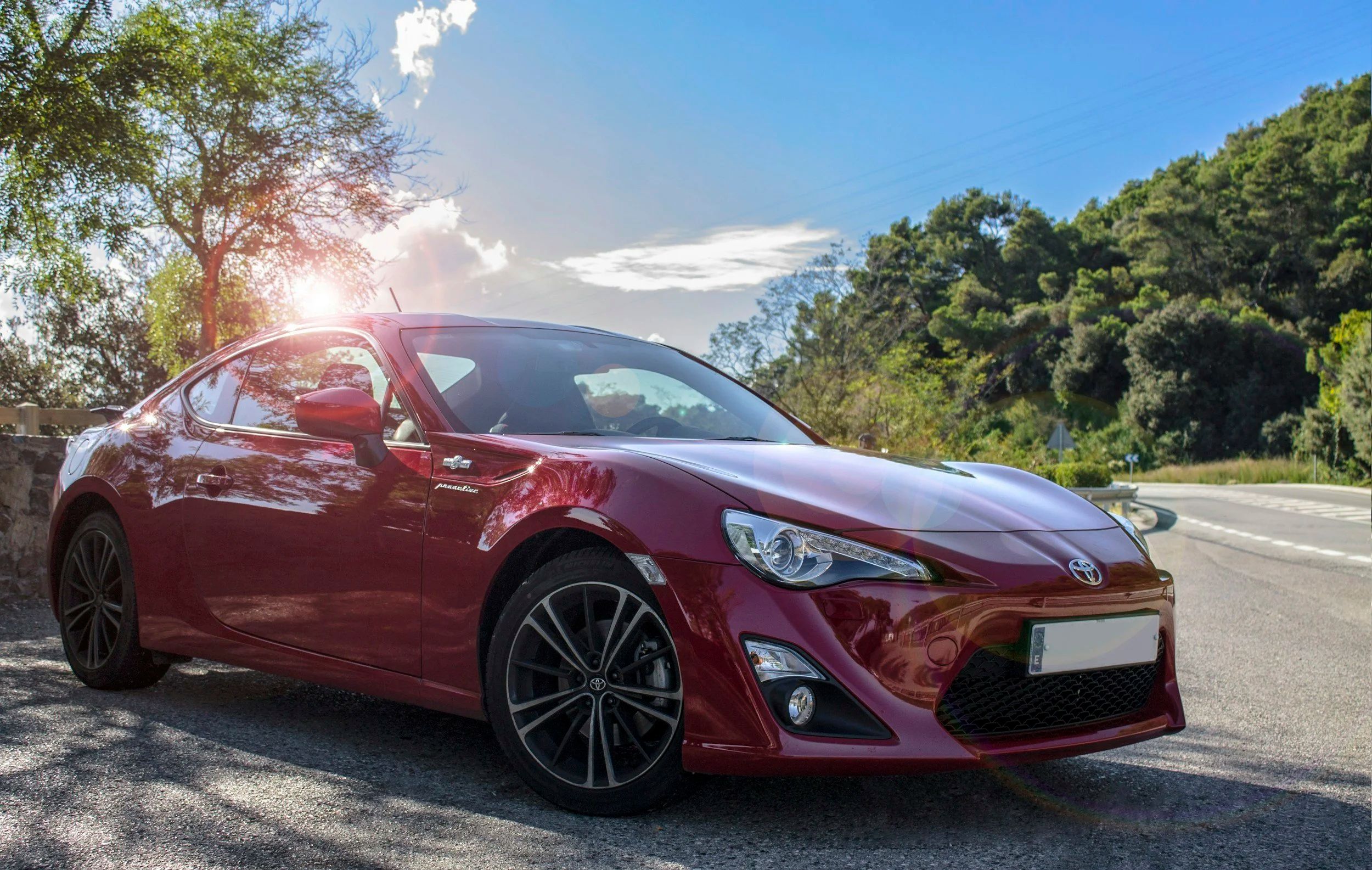
Blue exotic sports car parked on a coastal bluff at dusk
Checks
Condition, originality, value
Common uses
Used cars, classics, RVs
Report turnaround
Most in 2 to 4 business days
Free consultation
No upfront cost

What the inspection covers, and what it does not

A pre-purchase car inspection from ProValue covers:

  • Exterior condition: paint, panel fit, glass, trim, wheels and tires
  • Interior condition: seats, carpets, headliner, dashboard and controls
  • The engine bay, the engine and the transmission, as visible and as described in the records
  • Common recurring faults known for that model
  • Signs of past accident repair, repaint or flood exposure
  • Originality of major components and identification numbers
  • The vehicle’s paperwork: title, registration, service history and receipts
  • Market value compared with the asking price

What it does not replace is a mechanic’s diagnostic. A mechanic can put the car on a lift, scan the computer systems, check compression and road test it under load. For an expensive, older or high-performance vehicle, ordering both gives you the full picture: what the car is worth, and what it may need.

What a pre-purchase car inspection is

A pre-purchase car inspection is an independent look at a vehicle before you buy it. The appraiser examines the body and fundamentals of the car, checks its condition and originality, and measures it against the market so you can see whether the asking price matches what you would actually be getting.

ProValue Appraisal offers pre-purchase inspections and appraisals for used cars, classic and collector cars, motorcycles and RVs. The inspection evaluates the engine, the transmission and the common recurring faults of the model, alongside the bodywork, interior and documentation. The point is simple: confirm what you are really buying before you send the money.

An example shows why it matters: you find a 1966 Mustang online and it looks beautiful. Before you pay, an appraiser inspects it and finds the engine was swapped for a newer one. Now you know the car is not as original as advertised, which affects its value, and you can decide what to do with that knowledge before the sale instead of after.

Key point: A pre-purchase car inspection tells you what the vehicle is and what it is worth. Whether to buy, renegotiate or walk away is always your decision.

Red flags a pre-purchase inspection looks for

Title brands and salvage history

A car that was once totaled can be repaired and sold again. Under Vehicle Code 544, a vehicle an insurer paid as a total loss because it was uneconomical to repair is a “total loss salvage vehicle,” whether or not it is later repaired, and the DMV issues a salvage certificate for it. Under Vehicle Code 11515, the DMV issues that salvage certificate after a total loss settlement, including when the owner keeps the vehicle. California’s claim rules at 10 CCR 2695.8(b)(1)(A) require insurers to tell an owner who keeps a totaled car that the retention notice “may affect the loss vehicle’s future resale and/or insured value.” If you buy such a car, that history comes with it.

Mismatched VIN plates and labels

The VIN on the dashboard plate, the door-jamb label and the title should match. A mismatch, a damaged plate or a replaced label is a reason to stop and ask questions.

Repaint

Overspray on rubber seals, color differences between panels, paint texture that does not match the factory finish, and uneven panel gaps can all point to bodywork. A repaint is not always bad, but you should know why it was done.

A non-original engine or drivetrain

On classics, collector cars and many exotics, an original engine is part of the value. A swapped engine, a replaced transmission or mismatched numbers lowers it.

Flood signs

Silt under the carpets or in the trunk well, corrosion on seat rails and wiring, fogged lights and a musty smell suggest water exposure.

Accident repairs

Replaced panels, aftermarket lights, new welds, uneven gaps and fresh undercoating in odd places can reveal a past crash. A vehicle history report records many accidents, but not all of them.

First step
A free consultation: we tell you honestly whether an appraisal is worth it.
Cost to start
Free consultation, no upfront cost. Pricing is discussed when you call.
How long
Most reports in 2 to 4 business days.
Where
In person in 13 Southern and Central California counties. Online anywhere else in the state.

Who a pre-purchase inspection is for

  • Private-party buyers

    A private seller has fewer legal duties than a dealer (see the table below), so independent eyes matter more.

  • Out-of-area and online buyers

    ProValue inspects vehicles in person in 13 counties, from San Diego and Imperial up to Santa Barbara, San Luis Obispo and Fresno. If the car you are buying sits there and you live elsewhere, ask in the free consultation how an inspection can be arranged.

  • Classic and collector car buyers

    Originality, matching numbers and restoration quality drive value. See classic car appraisals.

  • Buyers of high-priced used cars

    On a luxury or performance model, small condition details make large differences in price, so an independent look before paying matters more.

  • RV buyers

    Floor plan, installed systems, optional equipment and water damage all affect an RV’s value. See RV appraisals.

  • Motorcycle buyers

    Condition, mileage, maintenance and documented modifications decide a motorcycle’s value. See motorcycle appraisals.

  • Buyers who need financing

    A lender may want an independent value before approving a loan. See financing appraisals.

California buyer protections: dealer vs private seller

California gives buyers some protections, and most of them depend on who is selling.

Who is selling the car

Buying from a dealer

Contract cancellation option (Vehicle Code 11713.21)
Must be offered on used vehicles sold at retail for personal use; not for vehicles priced at $40,000 or more, motorcycles or RVs
Smog certificate (Vehicle Code 24007)
Seller generally provides a valid certificate for vehicles subject to smog rules
Seller’s notice of sale to DMV (Vehicle Code 5900)
Ask the dealer how the transfer paperwork is handled
An independent inspection before you sign
Ask the dealer before you sign

Buying from a private seller

Contract cancellation option (Vehicle Code 11713.21)
Not covered: the section regulates dealers
Smog certificate (Vehicle Code 24007)
Seller generally provides a valid certificate for vehicles subject to smog rules, with some exceptions
Seller’s notice of sale to DMV (Vehicle Code 5900)
Seller must notify the DMV within five calendar days of the sale
An independent inspection before you sign
Ask; arrange it before money changes hands

The dealer contract cancellation option

Under Vehicle Code 11713.21, a dealer selling a used vehicle at retail for personal use must offer a contract cancellation option that lets you return the vehicle without cause. The option has a price, capped by price band: for example, $75 for a vehicle priced at $5,000 or less, $150 up to $10,000, $250 up to $30,000, and 1 percent of the price above $30,000 and under $40,000. The return window cannot end earlier than the dealer’s close of business on the second day after delivery. It does not apply to used vehicles priced at $40,000 or more, motorcycles or recreational vehicles, which means many classic, exotic, RV and motorcycle purchases have no cancellation option at all. That makes the inspection before the sale the protection that counts.

The smog certificate

For vehicles subject to the state’s emission rules, Vehicle Code 24007 says that “Prior to or at the time of delivery for sale, the seller shall provide the purchaser a valid certificate of compliance or certificate of noncompliance”. There are exceptions, such as sales to dealers, sales for wrecking and some family transfers. Ask for the certificate before you pay.

The seller’s notice of sale

Under Vehicle Code 5900, when an owner sells a vehicle and delivers it, the owner must notify the DMV within five calendar days, giving the date, names and addresses, a description of the vehicle and the odometer mileage. Write down the odometer reading yourself at the time of sale.

Start your pre-purchase car inspection

Call (424) 444-3737, open Monday to Saturday, 9 AM to 6 PM, or request your free consultation. Send the listing and VIN, and we will tell you what the inspection will cover. Planning to sell later? Our resale appraisal helps you price with evidence.

How a ProValue pre-purchase inspection works

  1. Free consultation

    Send the listing, the asking price, the VIN and where the vehicle is located.

  2. Scope and fee

    The scope of work and the fee are agreed before any work begins.

  3. Arranging access

    You arrange with the seller for the vehicle to be available. In-person inspections take place in 13 counties, from San Diego and Imperial up to Santa Barbara, San Luis Obispo and Fresno.

  4. The inspection

    The appraiser examines the body, interior, engine bay and documentation, and checks originality and the model’s common faults.

  5. Market research

    Comparable vehicles in the relevant market are researched to test the asking price.

  6. The report

    Most reports are completed within 2 to 4 business days, so tell the seller you need a few days.

  7. Your decision

    You decide whether to buy, ask for a different price, or walk away.

Buy or walk away is your decision

ProValue is an independent appraiser, and its job ends with the report: facts about the vehicle and a market value.

Some buyers use it to walk away from a car that is not what it seemed.

Others buy anyway, at a price that reflects what the inspection found.

Others buy with confidence because the car checked out.

Each of those is a good outcome.

What goes into the pre-purchase report

  • Vehicle identification: year, make, model, trim and VIN
  • Documented condition of the exterior, interior and engine bay, with photos
  • Findings on originality, past repairs, repaint or flood signs
  • A review of the title, service records and other documents provided
  • Comparable vehicles and the market value they support
  • How that value compares with the asking price, and how it was developed

Checklist before the inspection

Mistakes buyers make

  • Paying a deposit before the inspection

    Arrange the inspection first.

  • Relying on listing photos

    Photos can hide repaint, rust and wear.

  • Assuming a dealer sale can be cancelled

    The cancellation option does not cover vehicles priced at $40,000 or more, motorcycles or RVs.

  • Ignoring the title

    A salvage history follows the vehicle.

  • Skipping the mechanic on an expensive or high-performance car

    Pair the appraisal with a mechanic’s diagnostic.

  • Buying on emotion

    A beautiful classic can still be the wrong car at the asking price.

Questions people ask

What does a ProValue pre-purchase car inspection check?

A ProValue pre-purchase car inspection examines the body and fundamentals of the vehicle you are considering: its condition, the engine and transmission, faults that commonly recur on that model, signs of past repairs, and whether major parts are original. It then compares the vehicle with the market, so you can see whether the asking price matches what the car actually is.

Does a pre-purchase car inspection replace a mechanic’s diagnostic?

No. A pre-purchase car inspection and appraisal focuses on condition, originality and market value. A mechanic’s diagnostic, with the car on a lift, computer scans and tests such as compression checks, looks deeper into mechanical health. For an expensive, older or high-performance vehicle, many buyers order both, so they know what the car is worth and what it may need.

Does California’s dealer contract cancellation option cover every used car purchase?

No. Under Vehicle Code 11713.21, a dealer selling a used vehicle at retail for personal use must offer a contract cancellation option, for a price, that lets you return the vehicle without cause. It does not apply to used vehicles priced at $40,000 or more, motorcycles or recreational vehicles, and it does not cover private-party sales, because the law regulates dealers.

Who provides the smog certificate when buying a used car in California?

For vehicles subject to California’s smog rules, Vehicle Code 24007 generally requires the seller to give the buyer a valid smog certificate prior to or at the time of delivery. Some transfers are excepted, such as sales to dealers, sales for wrecking and some family transfers. Ask the seller for the certificate before you pay, and check its date and result.

How does a salvage history affect a used car I am thinking of buying?

Under Vehicle Code 544, a vehicle an insurer paid as a total loss is a total loss salvage vehicle whether or not it was later repaired, and the DMV issues a salvage certificate. California’s claim regulations also say a salvage retention notice may affect the vehicle’s future resale and insured value. A pre-purchase car inspection checks for repair evidence that supports what the title history shows.

Can ProValue do a pre-purchase car inspection for a buyer who lives out of state?

Ask in the free consultation. ProValue inspects vehicles in person in 13 counties, from San Diego and Imperial up to Santa Barbara, San Luis Obispo and Fresno, so the vehicle’s location matters more than yours. For a vehicle located elsewhere, a review of the seller’s photos and records may help with value, but for a rare or specialty purchase an in-person inspection may still be required. The free consultation decides which applies.

What red flags does a pre-purchase inspection look for on a classic car?

On a classic car, a pre-purchase inspection looks for a replaced or non-original engine, mismatched identification numbers, repaint covering rust or filler, past accident repairs, and restoration shortcuts. For example, a 1966 Mustang that looks beautiful online may turn out to have a newer engine swapped in. That makes it less original than advertised, which affects its value.

Get a value you can stand behind.

Tell us about the vehicle and what the appraisal is for. We tell you honestly what it needs, and there is no upfront cost.

Certified auto appraiser. Free consultation, no upfront cost.

Call Henry

(424) 444-3737

Call Henry

Tell Henry what happened and what the insurer has offered. The consultation is free and there is no upfront cost.

Call (424) 444-3737

Open Monday to Saturday, 9 AM to 6 PM

In person near you

We inspect vehicles in person in Los Angeles, Orange, Ventura, San Bernardino, Riverside, San Diego, Santa Barbara, Kern, San Luis Obispo, Tulare, Kings, Fresno and Imperial counties. Each county page lists every city we cover there.

Updated

Call nowFree consultation