Two identical cars, one accident on record
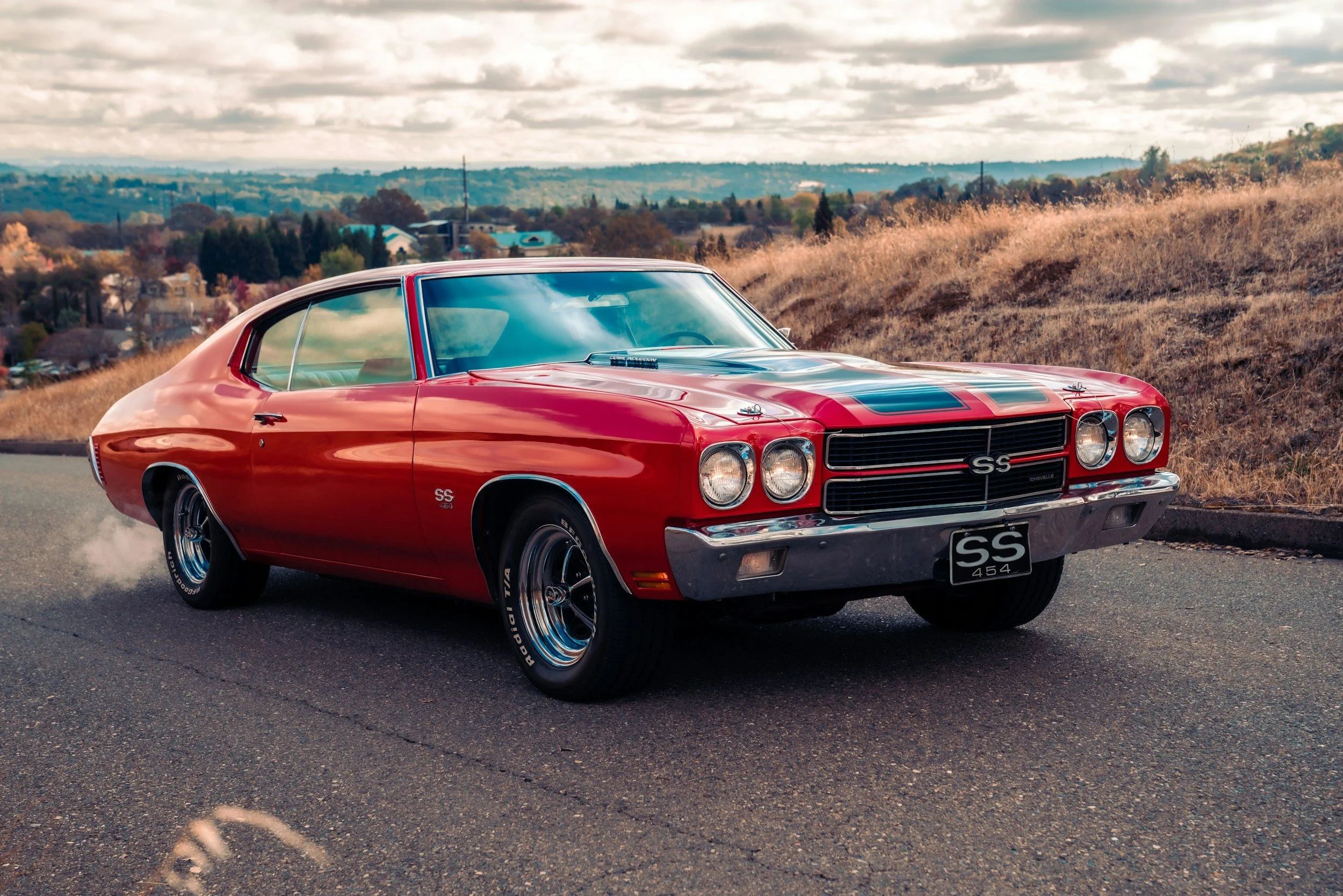
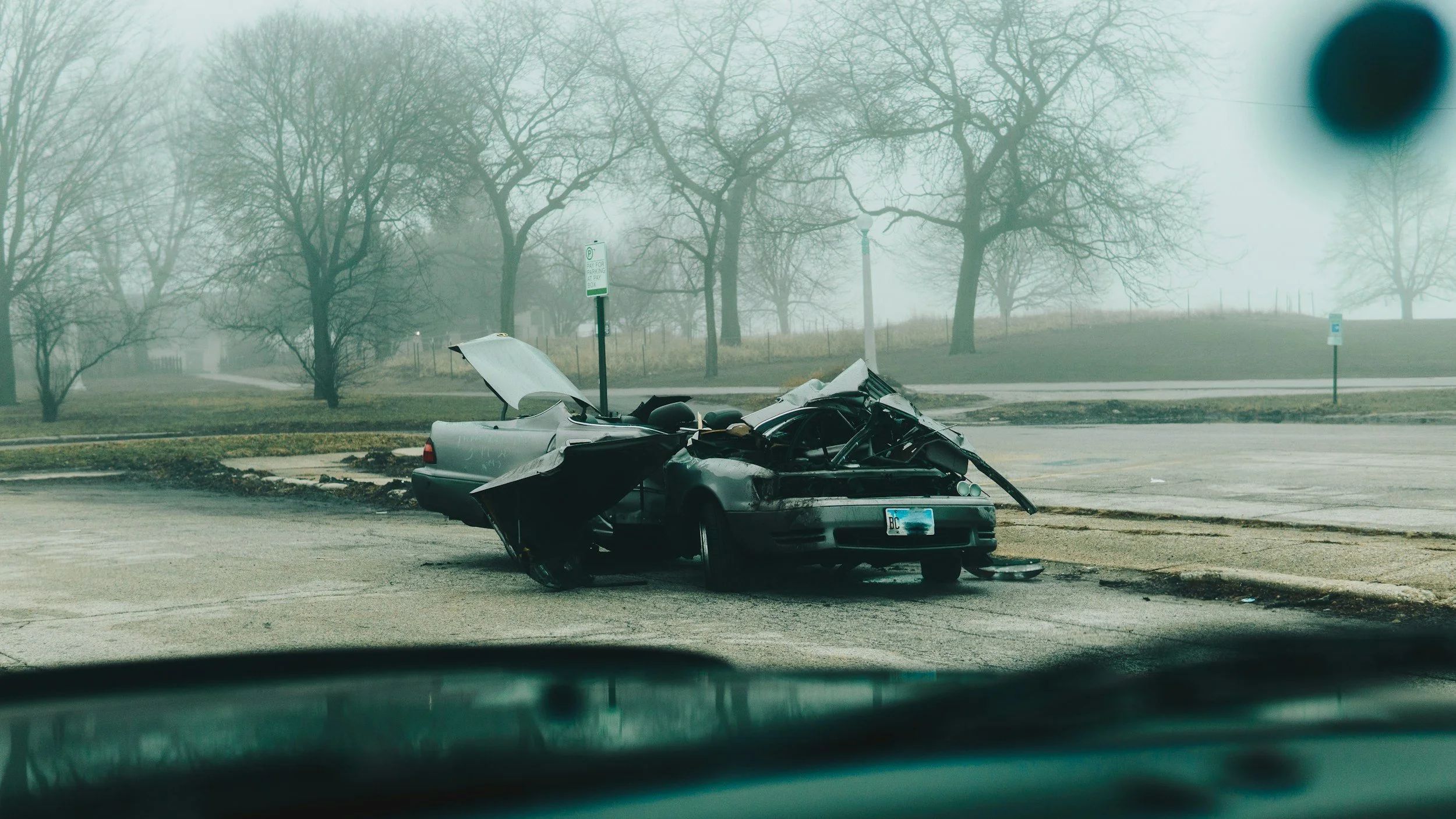
Same year, same trim, same miles, same color. One was rear-ended last spring and repaired well. Put both up for sale and buyers will not treat them the same. That gap has a name.
By ProValue Appraisal, , 2 minute read
A good repair puts the panels back. It does not erase the history. Vehicle history reports record the accident, and buyers and dealers price that history into what they offer. The difference between what your car was worth just before the crash and what it is worth now, repaired, is its diminished value.
It is a real loss even if you plan to keep the car. It simply waits until the day you sell it or trade it in.
Three ways a car loses value
Inherent diminished value is what remains after a flawless repair, because the history itself puts buyers off. It is the core of most claims, and the kind insurers push back on most, because nothing about the car looks different.
Repair-related diminished value comes from the repair: paint that does not match, uneven panel gaps, parts that are not original equipment.
Immediate diminished value is the drop right after the crash, before anything is fixed. It matters when a car is sold as it sits.
Who pays it
When someone else caused the crash, most claims go to that driver’s liability insurer. Your own policy is a different story: it is usually built around repair cost and actual cash value, so whether it pays anything for lost market value depends on its exact wording. Read it, and ask your insurer in writing what applies.
If nobody identifies the other driver, there may be no one to claim from. An appraisal still records the loss while the evidence is fresh.
When it is worth pursuing
The claims that tend to be strongest share a few things: another driver was clearly at fault, the car is newer or more valuable or has low mileage, the damage was structural or set off airbags, and you plan to sell in the next few years. An older car with high miles and a scuffed bumper may barely move in price. If that is you, we will tell you in the free consultation.
Want a quick read first? The diminished value check asks seven questions and gives no dollar figure, only whether the claim looks stronger or weaker.
Keep these from day one
- The repair estimate and every supplement
- The final invoice, with the parts list
- Photos of the damage before the repair, and of the car after
- The other driver’s insurer and claim number
- The police report, if there is one
- Your mileage on the day of the crash
And read any release before you sign it. A final property damage release can close the claim before you have raised the value the car lost.
When you are ready for a number with evidence behind it, that is a diminished value appraisal.