How to photograph your car for an appraisal
In an online appraisal the photos are the inspection. Twenty careful minutes with a phone can show an appraiser almost everything a walk around the car would.
By ProValue Appraisal, , 2 minute read

You do not need a camera. You need daylight, a clean car and a little patience. Overcast days and open shade are best, because hard sun hides dents in glare. Turn off filters and portrait effects, hold the phone level, and keep the whole car in the frame.
Walk around it first
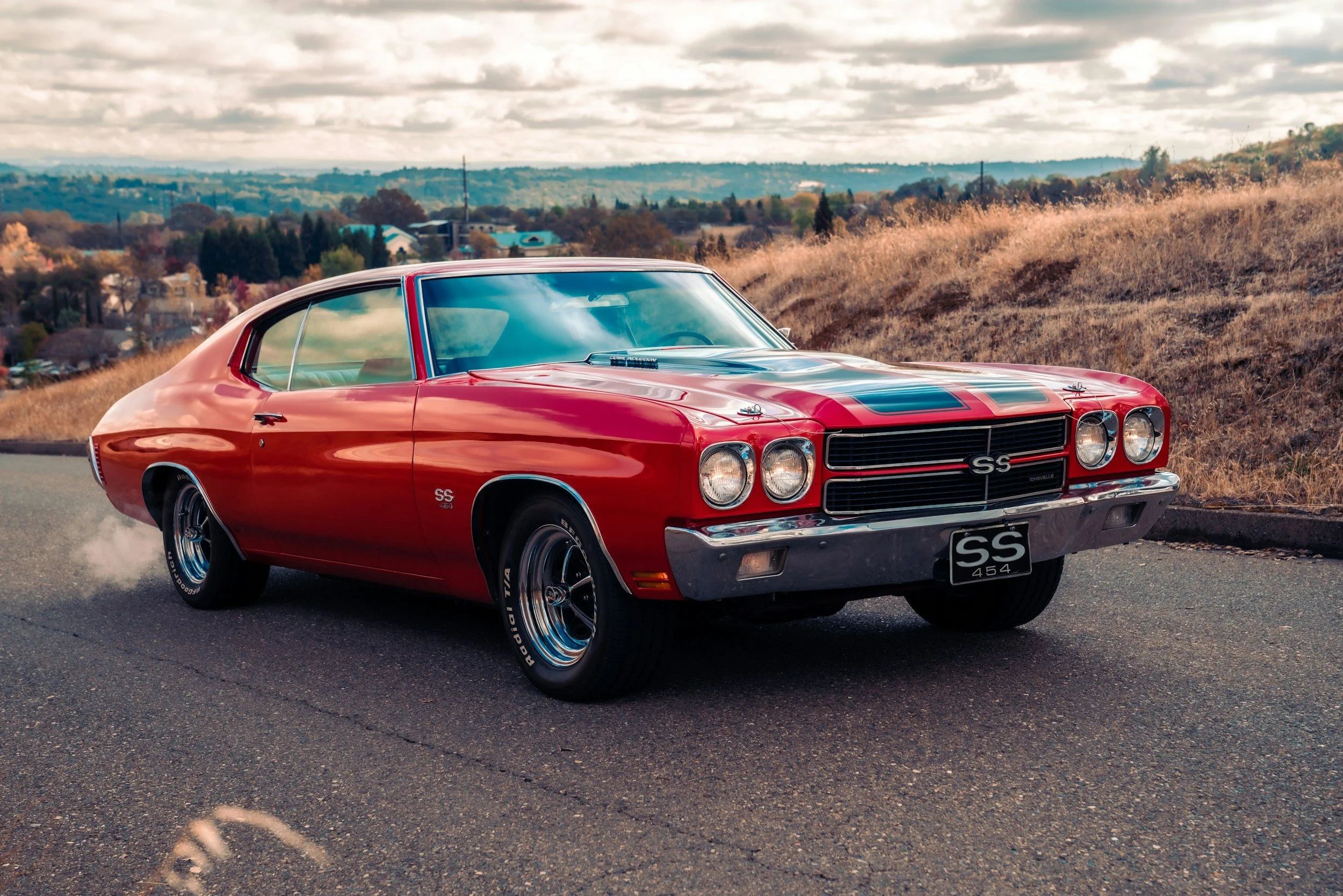
Start with the two corner shots: front three-quarter from the driver side, rear three-quarter from the passenger side. Then go square on: each full side, straight front, straight rear. Straight-on side shots are the ones that show wavy panels and color differences, which hint at old repairs.
If you can do it safely, take the roof and hood from above. That is where hail dents and sun-faded clear coat show.
Prove what it is
- The VIN plate through the windshield, which ties the photos to your exact vehicle
- The label in the door jamb, which confirms the VIN, the build date and often the paint code
- The odometer with the ignition on, which shows the mileage and any warning lights
- The dashboard and console, which separate one trim from another
Show the wear honestly
Photograph each wheel and tire, the front and rear seats, the headliner, the carpets, the trunk and the engine bay. A worn bolster or a curbed wheel belongs in the set. A report that shows the car as it really is holds up better than one that hides something.
Damage: wide, then close
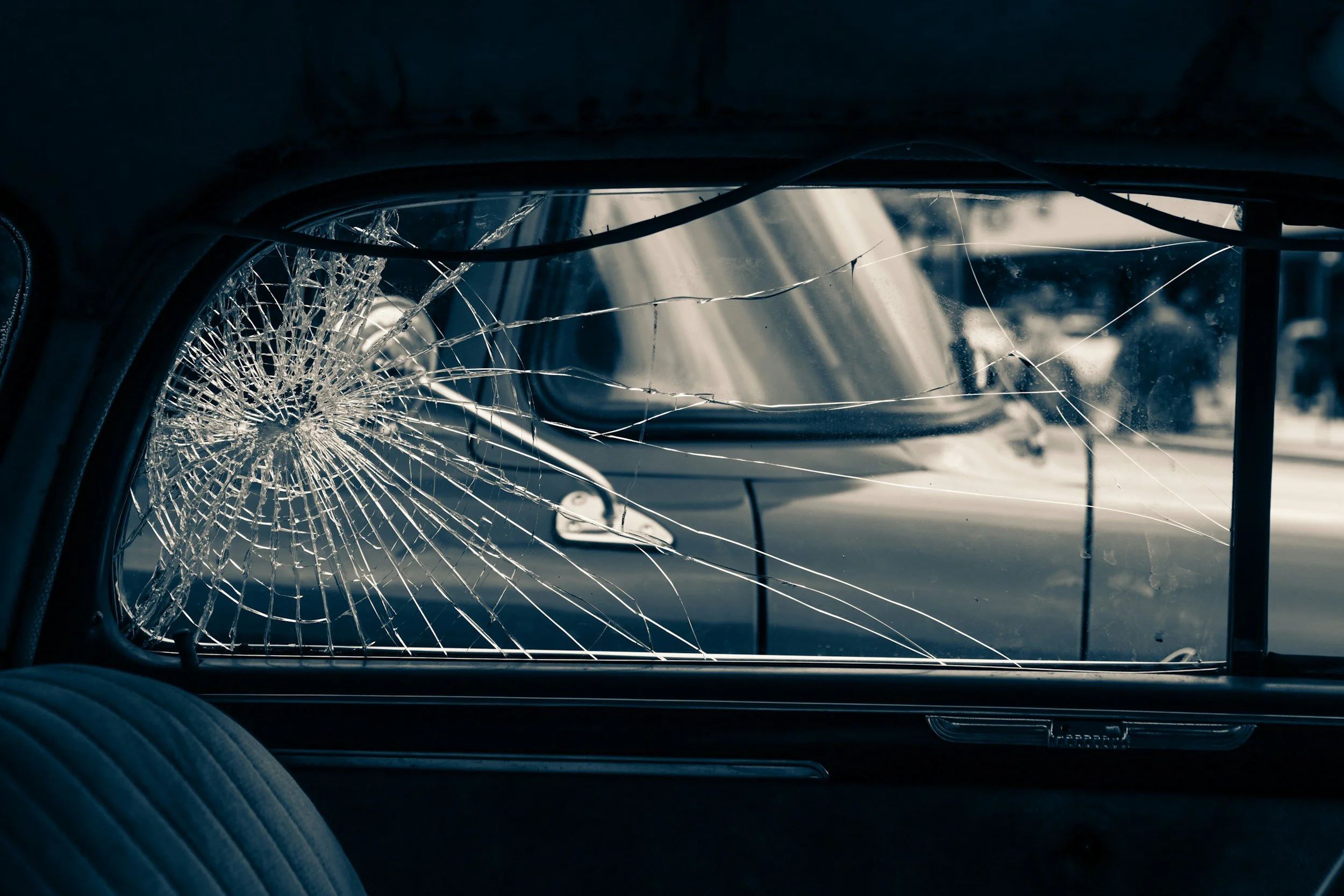
For every area of damage take two shots. One wide, so it is clear where it sits on the car. One close, so it is clear what it is.
Do not forget the upgrades
Wheels, suspension, audio, lighting, performance parts, a custom interior: one photo each, with the receipt beside it if you still have it. Upgrades nobody can see are upgrades nobody can count.
Then gather the paper
Registration or title, window sticker or build sheet, service records with dates and mileage, and receipts for new tires or major repairs. If a lender, a charity or an attorney will read the report, send their requirements too.
That is most of what an online appraisal needs. Some insurance disputes and rare vehicles still call for an in-person inspection, and we will tell you if yours does.