
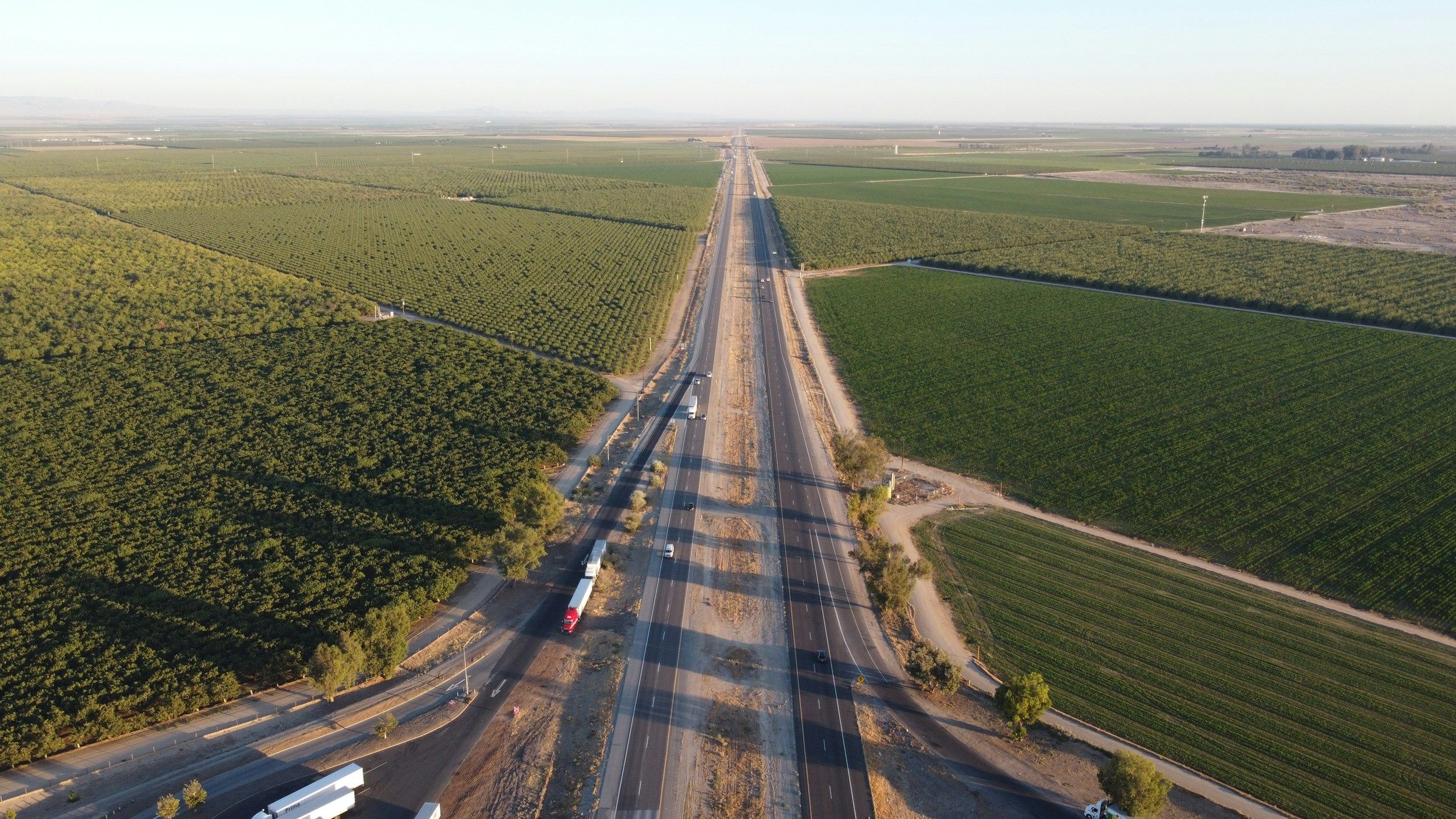
Wine country, the 101 and the 166
The CHP Santa Maria Area says the city sits in wine country midway between Los Angeles and San Francisco, so many motorists are tourists, and many residents commute out of the area. The office covers about 30 miles of US-101 and 78 miles of SR-166. Routes 101, 135 and 166 all run through the city.
Santa Maria is about 136 miles from our Glendale office in a straight line, and we inspect there in person. A total loss appraisal in Santa Maria puts that inspection beside the insurer’s valuation report and your records; if the car cannot be reached, your photos can stand in. The fee is agreed before any work begins. The signed, full-color PDF arrives by email, with a hard copy by mail on request, usually within 2 to 4 business days.
What the rules require
California has no fixed percentage that makes a car a total loss. Once an insurer declares one, its Fair Claims Settlement Practices Regulations, at 10 CCR 2695.8, call for a settlement based on comparable vehicles in your local market, plus applicable taxes and license and transfer fees. Deductions and adjustments are expected to be itemized and supported.
“Local market” is easy to apply in a big metro area with hundreds of listings. In a smaller market, there may be only a few cars of the same year, model and trim for sale nearby at any one time. That is where valuations most often go wrong.
How far should the search reach?
When local matches are scarce, a valuation has two options: use fewer, closer cars, or reach farther for better matches. Both can be reasonable. What matters is that the choice is explained.
Our approach:
Start with listings and sales in the Santa Maria area and the rest of northern Santa Barbara County.
If close matches are still too few, widen to the Central Coast, then to larger markets within a reasonable drive.
Prefer a close match a little farther away over a poor match nearby, because trim, equipment and mileage usually move value more than distance does.
Adjust each comparable openly for mileage, equipment and condition, and note its location.
Explain in the report why each comparable was chosen.
When we review an insurer’s report, we look for the opposite problems: too few comparables, poor matches used just because they were close, or distant cars used without explanation or adjustment.
Small samples and odd listings
A valuation built on two or three comparables can swing on a single unusual listing: a car with a salvage history, a dealer price far below market, or a listing that sold weeks ago. Check each comparable in the insurer’s report. If one does not fit, say so in writing, with the reason.
Commuter miles
The CHP notes that many residents commute out of the area, and long commutes mean high mileage. Mileage lowers value, but the adjustment should be fair. We check the odometer figure in the report against the car, how much each comparable was adjusted for mileage, and whether recent major service, such as new tires, a timing belt or a transmission service, offsets some of the effect of the miles.
Not sure an appraisal is worth it? Ask Henry.
Trucks and work vehicles
Pickups and work vehicles are valued on their configuration: drivetrain, cab, bed, engine, towing package and equipment. In a smaller market, finding a close configuration match can mean reaching farther. See cars, trucks and SUVs for how those are valued.
Visitors and rental cars
With many tourists on local roads, a crash with a visiting driver or a rental car is a real possibility. Collect the driver’s name, license, plate, insurer and policy number, or the rental company and agreement number, and get a CHP or police report number. The claim goes to the at-fault driver’s insurer wherever it is based, and the value of your car is still measured against your local market.
Photos and documents to send
At an inspection we photograph the car ourselves. Send the documents either way, and the photos too if you choose the photo route:
The insurer’s full valuation report and the claim number
Any photos of the car from before the crash
Each undamaged side of the car, the interior and the tires
The odometer and the VIN plate
Service records and receipts for tires, brakes and upgrades
The window sticker or build sheet, if you have it
Using the report
Our total loss valuation states the car’s actual cash value and shows where the insurer’s report differs. Send it to the adjuster with a short letter asking for a revised offer. If your policy has an appraisal clause and you still disagree, each side names an appraiser and an umpire decides any difference; ProValue can serve as your appraiser. In an appraisal clause case, Henry reads the insurer’s report and negotiates the value with the insurer’s appraiser.
If the at-fault driver’s insurer is paying, small claims court is open to individuals for up to $12,500, according to the California courts’ self-help guide. The Santa Barbara County court handles small claims at separate clerk’s offices for the south and north county; our Santa Barbara County page lists both.
If you surrender the car, Vehicle Code section 11515 calls for the endorsed title to go to the insurer within 10 days of settlement. If you keep it, it becomes a salvage vehicle and needs the DMV’s revived salvage registration, with an inspection, before it can be driven again.
Book a Santa Maria inspection
Call (424) 444-3737, Monday to Saturday from 9 AM to 6 PM, or get started online, and tell us where the car was towed. The consultation is free.