
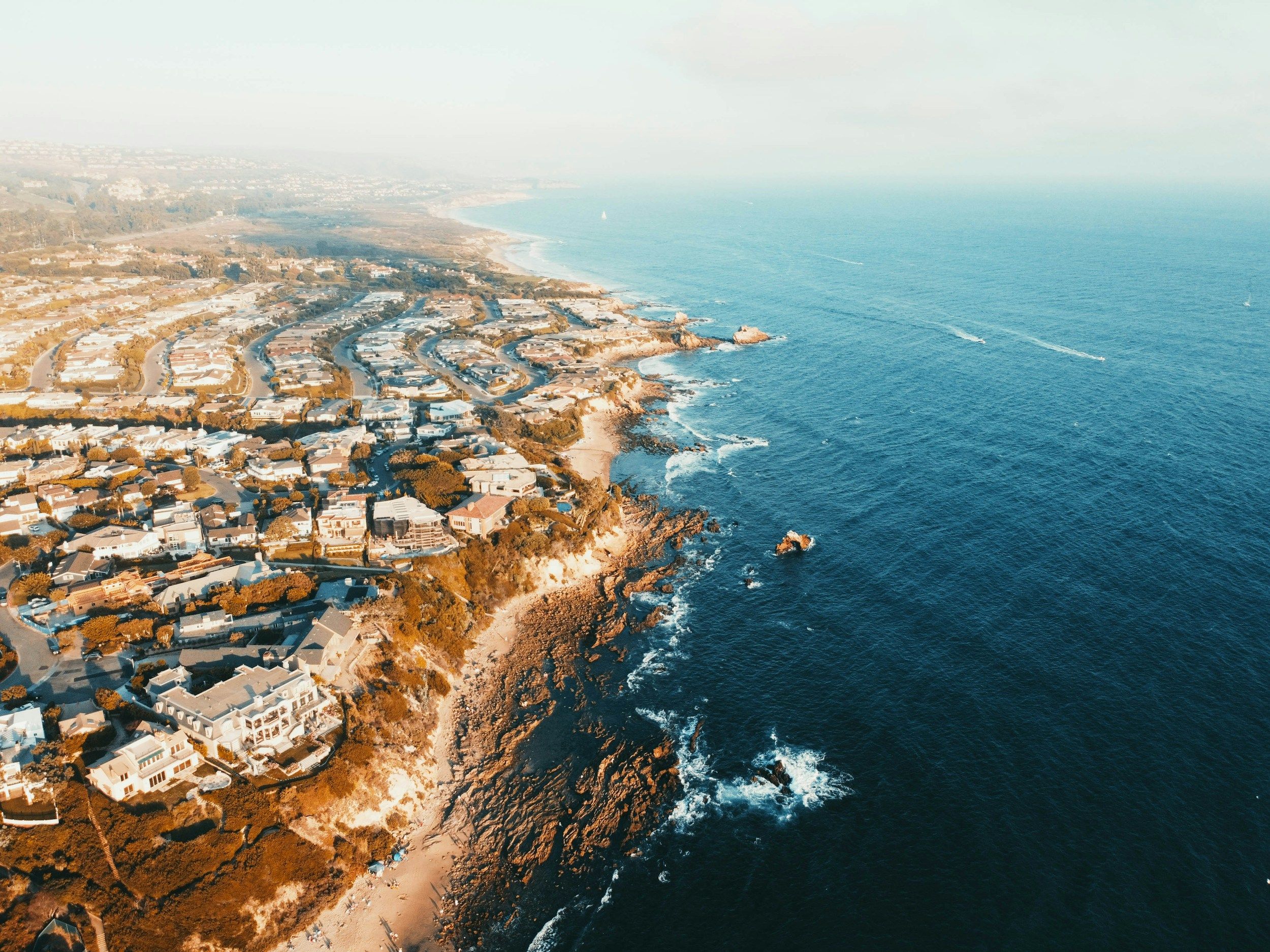
Coastal driving and what it leaves behind
Three state routes carry Huntington Beach traffic. Route 1, Pacific Coast Highway, runs along the sand. Route 39, Beach Boulevard, cuts inland. The 405 crosses the north side of the city, where it meets Beach Boulevard. Each road brings its own kind of claim: rear-end hits in beach traffic, sideswipes on the 405, and door dings and scrapes in packed lots on summer weekends.
The setting also shapes condition, and condition shapes value. Salt air reaches paint, chrome, wheel bolts and brake parts. Sun bakes dashboards, soft tops and rubber seals. Sand finds its way into carpets and seat rails. A car appraisal in Huntington Beach has to show which of those things really apply to your car, because an insurer’s software usually assumes average wear and deducts for it.
Why condition is where coastal claims are won or lost
Most valuation systems rate a car as below average, average or above average, then adjust the price. A one-step drop in that rating can take a meaningful amount off a total loss offer. When the person rating the car never saw it, the rating tends to drift toward average or lower.
That is the strongest reason to inspect in person. We note:
- Paint depth and finish on each panel, not just the damaged one
- Rust or corrosion, or the lack of it, on the underbody, brakes and fasteners
- Interior wear, sun fade and any water intrusion
- Tires, with tread depth, and recent service work
- Equipment that adds value, such as racks, tow hitches, lift kits or upgraded wheels
A well-kept beach car should be priced like one. If the car does show coastal wear, we say so plainly, because a report that ignores obvious condition will not hold up.
Accessories and modified vehicles
Huntington Beach has plenty of trucks, Jeeps and vans set up for surfing, camping and towing. Aftermarket parts complicate a claim. Some add real resale value. Others matter only to the owner. A valuation from a pricing guide usually ignores them entirely.
Our modified and custom vehicle appraisals separate the two. We document each item, with receipts where you have them, and look at what similar equipped vehicles sell for. If a lift kit, bumper or rack was damaged in the crash, that belongs in the repair estimate and, where buyers pay for it, in the pre-loss value.
After a crash on PCH or the 405
If another driver caused the crash and your car was repaired, the repaired car now carries an accident history. Buyers pay less for that, even after a good repair. In California, that loss can be claimed from the at-fault driver’s insurer as diminished value, and our diminished value appraisal measures it from Orange County comparables, the repair records and the inspection.
If the insurer totals the car instead, the offer should reflect comparable vehicles in your local market plus taxes and fees, under the state’s Fair Claims Settlement Practices Regulations. California sets no fixed percentage that decides when a car is totaled. Our total loss valuation checks every comparable and every condition adjustment in the insurer’s report.
How we choose comparables for a beach city car
The comparables in a Huntington Beach report should be cars a local buyer could actually buy instead of yours. We start with listings and sales across west Orange County and the nearby coast, matched for year, trim, drivetrain, mileage and equipment. A four-wheel-drive truck with a towing package is compared with others like it, not with a two-wheel-drive base model. When a vehicle is common, the local pool is deep enough that there is no need to reach far. When it is unusual, we widen the search and explain each step in the report, so the adjuster can follow it.
Not sure an appraisal is worth it? Ask Henry.
Photos that help, before or after the inspection
Even when we inspect in person, your own photos fill gaps we cannot see later. Useful ones include:
Any photos of the car before the crash, such as listing photos, trip photos or a recent wash
The damage at the scene, from several angles, with the other car if possible
The odometer, taken as soon as you can
Close photos of upgrades, wheels and interior features
The tow yard or body shop paperwork with the date and location
Keep everything with the claim number written on it.
Courts, deadlines and the DMV
If the at-fault insurer will not pay a fair amount, you can take the claim to small claims court yourself. The state’s self-help guide says individuals can generally claim up to $12,500 there, and lawyers cannot represent parties in the hearing. Our Orange County page links the county court’s filing and hearing pages. The general deadline to sue for damage to property is three years under Code of Civil Procedure section 338(c)(1); a lawyer can confirm how it applies to you. A claim against a city, county or other public agency usually must be presented to that agency within six months (Government Code section 911.2).
A crash that injures anyone, or causes more than $1,000 in property damage, must be reported to the DMV on an SR-1 within 10 days. If you keep a totaled car, it carries a salvage title, and getting it back on the road means the DMV’s revived salvage process and an inspection.
Start with a free consultation
Huntington Beach is about 35 miles from our Glendale office in a straight line, and we inspect there in person. Call (424) 444-3737, Monday to Saturday from 9 AM to 6 PM, or get started online. Fees are agreed before work begins, and most reports are ready in 2 to 4 business days.