
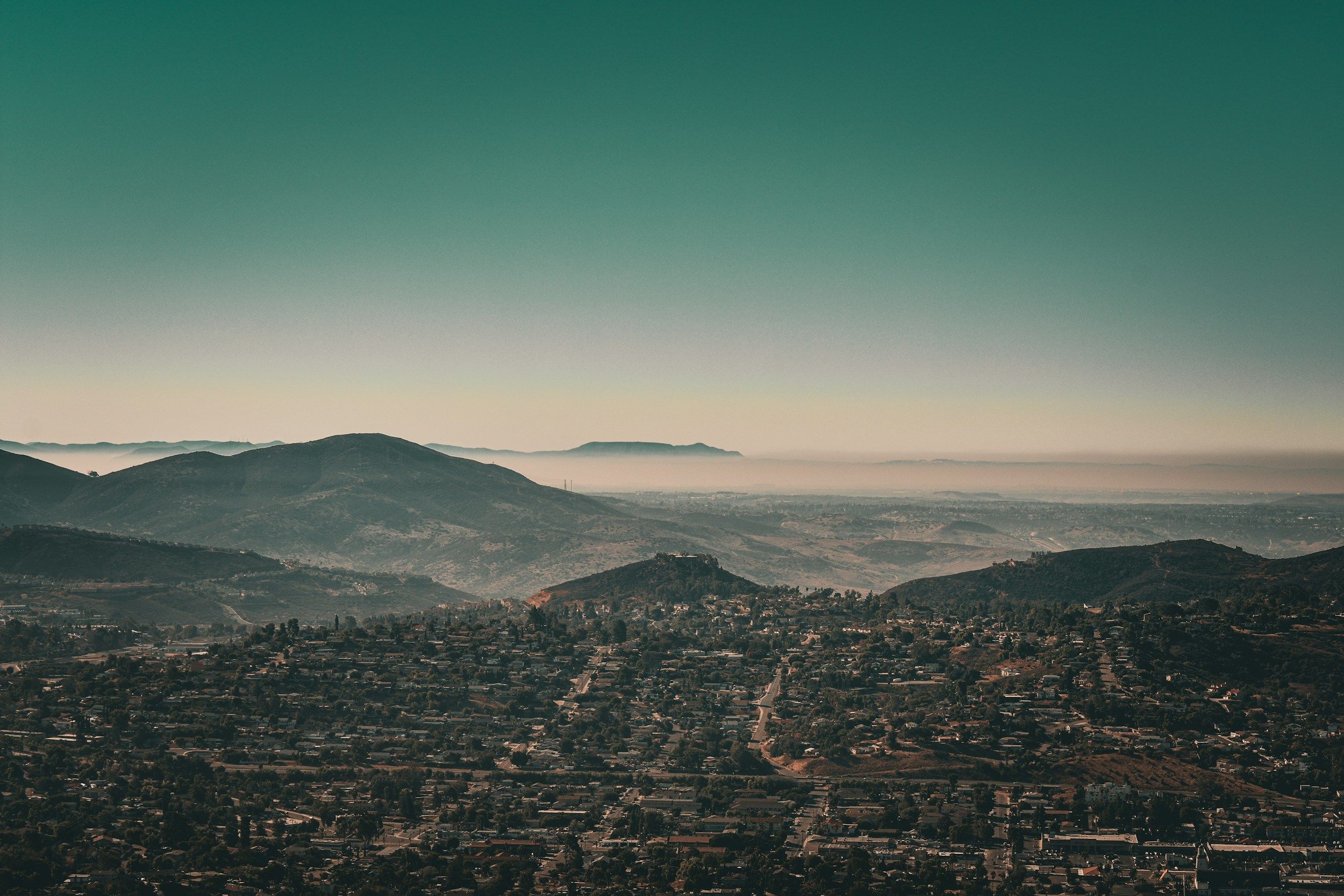
From the 8 to the back country
The CHP El Cajon Area, based on East Main Street, covers nearly 3,000 square miles of urban, rural, desert, mountain and wilderness areas, with I-8, SR-125, SR-52, SR-67 and SR-94 among its routes. In the city itself, the freeways are the 8 and Route 67.
Crashes on those roads produce two kinds of disputes. One is about value: a total loss offer or a diminished value claim. The other is about the repair itself: what it should include and what it should cost. An auto appraisal in El Cajon can address either, and this page focuses on the second.
We inspect vehicles in person in El Cajon, at your home or at the shop holding the car, and compare what we see with the estimate and your documents. If a visit is not practical, photos can stand in. The fee is agreed before any work begins, and the signed, full-color PDF arrives by email, with a hard copy by mail on request.
How repair estimates go wrong
An insurer’s first estimate is often written quickly, sometimes from photos, before anyone has taken the car apart. Shops add supplements as they find more damage. Disputes come from what is left out or priced too low:
- Missing operationsRemoving and reinstalling parts to reach damage, corrosion protection, seam sealer, or a pre- and post-repair scan.
- CalibrationCameras and radar behind bumpers and windshields usually need recalibration after a repair.
- Parts typesAftermarket or used parts where the policy or the vehicle calls for original equipment.
- LaborToo few hours for structural or refinish work, or a labor rate below what local shops charge.
- Refinish and blendPainting the repaired panel without blending adjacent panels, which leaves a color mismatch.
- Hidden damageBrackets, sensors, suspension parts or structure behind a bumper or fender.
What our review does
Our collision damage appraisal reads the estimate line by line and compares it with the damage on the car, or in your photos. We note:
Visible damage that the estimate does not address
Operations that a complete repair normally requires but the estimate omits
Parts types, and whether they fit the policy and the vehicle
Labor and refinish time that look too low for the work described
Whether calibration and scans are included
The signed report explains each point, so the shop, the insurer or an appraisal panel can respond to specifics.
Repairable or totaled?
Sometimes the real question is whether the car should be repaired at all. California has no fixed percentage that makes a car a total loss. The insurer compares the repair cost, and often the salvage value, with its value for the car. If the estimate is incomplete, the car may be pushed into a repair that will cost far more than planned, or a car that should be totaled may be patched up.
We can check both sides: a complete repair estimate, and the car’s actual cash value from comparables in your local market. If a full repair clearly exceeds the value, the report says so, and our total loss valuation can document the value side. If the car is totaled, California’s Fair Claims Settlement Practices Regulations call for a settlement based on comparable vehicles in your local market, plus applicable taxes and license and transfer fees.
Photos for an estimate review
An inspection at the shop, while panels are off, shows the most. If you send photos instead, damage photos matter most. Please send:
The damage from several feet away, then up close, from more than one angle
Inside the damaged area if panels have been removed at the shop
Each corner and side of the car, for overall condition
The dashboard with the ignition on, showing warning lights
The odometer and the VIN plate
Also send the insurer’s estimate, every supplement, the shop’s estimate if different, and any teardown photos the shop took.
Choosing a shop
In California, you choose where your car is repaired: under Insurance Code section 758.5, an insurer may not require that the car be repaired at a specific shop. If the insurer suggests a shop, you may still pick your own. Whichever you choose, ask for the final invoice, every supplement and any teardown photos, because they are the record of what was done and what it cost. If you later sell the car or make a diminished value claim, that record matters again.
When the dispute continues
If you are claiming under your own policy and still disagree on the amount of the loss, its appraisal clause may let each side name an appraiser, with an umpire deciding any difference. ProValue can serve as your appraiser. Our claim resolution and arbitration page explains the process. In an appraisal clause case, Henry reads the insurer’s report and negotiates the value with the insurer’s appraiser.
For a claim against an at-fault driver’s insurer, small claims court is open to individuals for up to $12,500, according to the California courts’ self-help guide. The San Diego County court offers a small claims legal advisory service at (858) 634-1777; our San Diego County page links its small claims page. A collision with an injury or more than $1,000 in damage needs an SR-1 report to the DMV within 10 days.
Keep the teardown photos
Shops often photograph hidden damage when they take the car apart. Ask for copies; they show what the estimate missed.
Book an El Cajon inspection
Call (424) 444-3737, Monday to Saturday from 9 AM to 6 PM, or get started online. The consultation is free; tell us which shop has the car.